
Spotting odd movements in a token you follow raises a practical question inside Crypto Trading Patterns: how do you identify the wallet behind a trade? Whether you need a Bitcoin address from a transaction ID, an Ethereum address linked to an ENS name, a receiving address from a QR code, or a lookup via a blockchain explorer, finding a crypto wallet address unlocks its transaction history. It shows the public key and wallet type. This guide outlines clear steps for address lookup, recognizing address formats, checking txids, and distinguishing custodial from noncustodial accounts.
To help you act on those steps, Coincidence AI’s AI crypto trading bot highlights wallet details, spots repeating address patterns, and points you toward the next move without confusing jargon.
Summary
- Address formats and network selection are the primary built-in guards against loss, and with over 70% of cryptocurrency users storing assets in digital wallets, a single mismatched chain or typo can scale into widespread, irreversible losses.
- User error and attacker tactics fall into three predictable failure modes: execution slips, process gaps, and deliberate traps. Over 20% of users have reported sending crypto to the wrong wallet address, showing these are routine operational failures.
- Fragmented address handling via spreadsheets, screenshots, and chat drives operational pain, contributing to roughly 15 million transactions lost annually due to incorrect wallet addresses and lengthy recovery processes.
- Verification works when it multiplies independent signals, because while 90% of exchanges provide a direct link to find deposit addresses, relying on one channel leaves teams exposed to rotated or stale addresses.
- Routing and settlement are part of execution risk, not separate ops, and with about 75% of trades executed by algorithms, latency and ledger routing errors can turn a statistical trading edge into breakeven outcomes.
- Small UX and tooling constraints materially reduce slips. Since 75% of users prefer QR codes for address entry, patterns such as copy-confirm clicks, visible checksum snippets, and mandatory memo validation reduce wrong-destination transfers.
Coincidence AI's AI crypto trading bot addresses this by highlighting wallet details, performing checksum and test-transfer prechecks, and surfacing address rotation alerts to reduce execution and custody risk.
What is a Crypto Wallet Address?
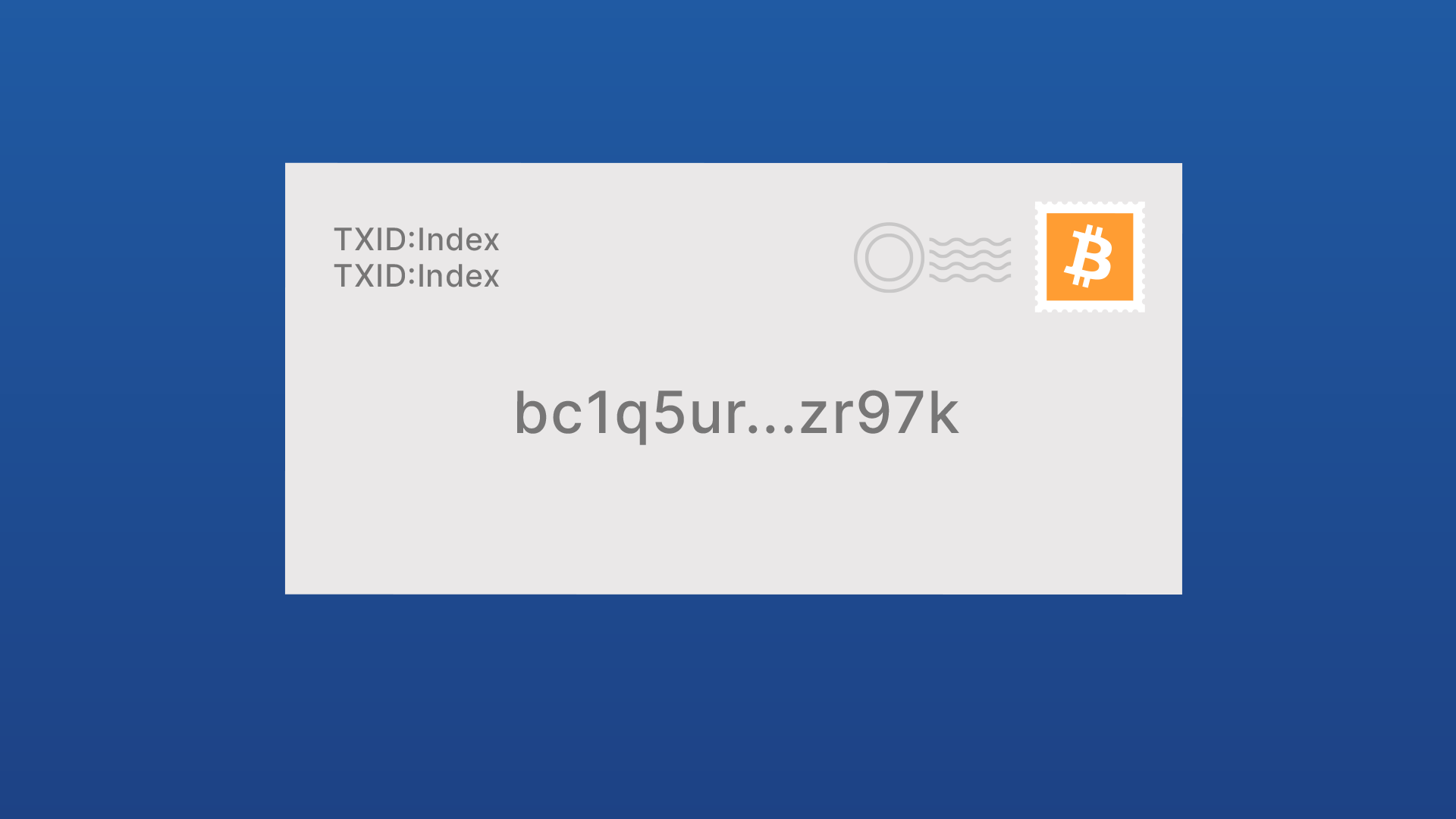
A crypto wallet address is the public identifier you share with someone when you want to receive tokens, derived from your wallet’s public key so the blockchain can route funds to that account. It is safe to share, but each address is tied to a specific blockchain and token standard, so sending the wrong currency or chain to an address typically results in permanent loss.
What Exactly Keeps an Address Safe from Someone Finding Your Private Key?
Public-private key cryptography does the heavy lifting. The address is derived from a public key. It includes checksum logic, so simple typos often cause validation to fail before a transaction is broadcast.
That technical separation means you can share an address without exposing your private key, but it does not prevent human error, phishing, or chain-mismatch errors. With over 70% of cryptocurrency users storing their assets in digital wallets, human errors can translate into real losses unless verification steps are enforced.
Why Do Address Formats Matter Across Wallets and Exchanges?
Each protocol encodes addresses differently to prevent cross-chain errors; this format serves as both a built-in guardrail and a constraint. When a trader pastes an address into the wrong network field, the transaction can be sent to the wrong network and become unrecoverable.
This pattern appears repeatedly in both retail and desk-level workflows. Format and network selection are single points of failure that can turn a minor typo into an irreversible loss, and the emotional impact is severe, as users report panic and helplessness when funds vanish.
How Should You Verify an Address Before Sending, in Plain Steps?
Use a checklist:
- Confirm the network in the sending UI
- Scan the QR code and compare the address checksum
- Verify the receiving account via the exchange API console or explorer
- Always perform a small test transfer when the value is at stake
People want manual approval for large transactions and multi-factor checks because once a transaction finalizes, it cannot be reversed. This need is why risk controls that require human sign-off for amounts above thresholds and automated low-value test transfers are the pragmatic defenses traders ask for.
What Does This Feel Like in Practice?
This challenge occurs in both custodial and self-custody setups. Traders feel urgent pressure when automation runs without robust verification, and the failure mode is emotional as much as technical.
Months of savings can disappear in a single afternoon. That explains why teams prioritize multi-factor authentication, never store passwords in browsers, and build explicit transfer approvals into their automated execution pipelines.
How to Find a Wallet Address (By Use Case)
Use the address that the destination explicitly expects. An exchange deposit address when funding an exchange account, a receive address derived for the specific blockchain when using self-custody, or a verified on-chain address found via an explorer or name service when you need to confirm past activity. Match the exact token standard, network, and any required memo or tag before you send, and verify through the receiving platform’s official UI or API.
Which Address Do Exchanges Actually Give Me, and How Should I Treat It?
Most exchanges present a freshly generated deposit address tied to the token and network you selected, and that is the only address you should use for that incoming transfer. This matters because exchanges sometimes rotate or reassign addresses for operational reasons, creating a window during which saved or cached addresses go stale and can cause failed or delayed deposits.
In practice, the familiar workflow is to copy the address shown in the exchange UI, and if you want an extra check, fetch the same address via the exchange API console rather than relying on screenshots or chat messages. Keep in mind that Computer Capsule Quick Revision in English, 90% of cryptocurrency exchanges provide a direct link to find wallet addresses.
How Should I Handle Addresses Inside a Self-Custody Wallet?
Self-custody wallets behave like toolkits, not single addresses. You need a receive address generated for the exact chain and account path you intend to use, and in many cases, you should treat addresses as single-use for privacy and hygiene.
This creates trade-offs, like avoiding reuse improves privacy but requires you to manage address bookkeeping when automating deposits or reconciliations. A practical pattern is to maintain an on-chain address book plus a small automated watcher that finds the most recent receive address for a given wallet and flags activity, so you avoid pasting an out-of-date address into a live transfer.
When Is a QR Code or Name Resolution the Best Way to Find an Address?
Scanning a QR code is the fastest and least error-prone method for live, in-person transfers, especially on mobile. For that reason, 75% of users prefer using a QR code to find their wallet address. Use QR scanning only when you can confirm the recipient displayed it directly in their secure app instance, and avoid QR images shared over chat without a secondary verification step.
For remote verification, name services such as ENS add convenience, but always cross-check the resolved address on an explorer before sending anything of value.
What Verification Steps Actually Catch Problems Before You Lose Funds?
When value matters, combine three independent signals. The receiving platform’s live UI or API, an on-chain explorer lookup, and a locally computed checksum or address-format check. This increases the difficulty of common human errors and social engineering attempts.
The practical outcome is fewer frantic support tickets and less time waiting for KYC holds to clear when deposits appear on the wrong ledger, a problem traders consistently describe as a significant source of stress and delay.
What Operational Controls Help When You Manage Many Addresses or Users?
Set policies that are machine-enforced, not memory-dependent. Examples that scale:
- Require addresses to be pulled directly via exchange OAuth
- Enforce address whitelists for recurring counterparties
- Mandate memo or tag validation where applicable
- Set transaction thresholds that trigger human approval
- Use automated monitors that detect sudden address rotation or unexpected balance moves on a receiving address
These controls reduce the familiar panic traders feel when a deposit is placed on hold or under KYC review.
Coincidence: AI Crypto Trading Made Simple
Coincidence turns your trading ideas into live strategies using nothing but plain English. No coding or complexity, just describe what you want to trade, backtest it instantly on real data, and deploy it live to exchanges like Bybit and KuCoin. Built for traders who think in strategy, not syntax, Coincidence's AI crypto trading bot gives you the power of a professional quant desk in a tool anyone can master.
Related Reading
- Crypto Trading Patterns
- Is Pepe Crypto A Good Investment
- Which Crypto Is The Next Bitcoin
- Do You Pay Taxes On Crypto Before Withdrawal
- Where To Buy Presale Crypto
- Can You Make Money Trading Crypto
- How Old To Buy Crypto
- Most Volatile Crypto For Day Trading
- Best Time To Trade Bitcoin
- Day Trading Crypto Vs Stocks
- Forex Trading Vs Crypto Trading
- What Is Wash Trading In Crypto
Common Mistakes When Finding Wallet Addresses
They cluster into three predictable failure modes:
- Execution slips under time pressure
- Process gaps as workflows scale
- Deliberate traps set by attackers
Each mode creates a different failure point, so your defenses must match the failure you want to prevent.
What Mental Mistakes Make You Paste the Wrong Address?
When you are rushed, your brain uses shortcuts, and addresses become visual patterns rather than meaningful data. That’s why tiny differences slip past you, and why attackers exploit attention with dust and lookalike addresses. A single wallet owner losing 5,781 XRP after interacting with a malicious address captures the feeling, like humiliation, helplessness, and a frantic scramble to support teams.
To see how common this is at scale, consider that over 20% of users have reported sending cryptocurrency to the wrong wallet address, which shows these are not rare, isolated mistakes but routine failure modes in user workflows.
Where Do Process Failures Show Up as Teams Grow?
Small teams tolerate informal address handling because it is fast, but every handoff creates friction and a risk of stale addresses. Spreadsheets, screenshots, and message threads fragment an address's provenance, so when an address is rotated or an exchange disables an old deposit point, reconciliation requires manual intervention and long delays.
Approximately 15 million transactions are lost annually due to incorrect wallet addresses, indicating that operational weaknesses, not random chance, drive most recovery cases and support costs.
How Do You Design Tooling That Actually Stops Errors Before the Transaction Is Signed?
Build multiple independent signals into any automated pre-check. Example signals you can automate include:
- Age and activity of a receiving address on-chain
- Whether the address has a history of tiny inbound dust transfers
- ENS or name-service resolution matched against the recorded identity
- Checksum or format-mismatch detector for the selected chain
Combine those into a single risk score; anything above your threshold triggers either an automated test transfer of a token with minimal value or a mandatory human signoff. Add rate limits and daily caps for new, unverified addresses to prevent a single mistake from draining a large balance.
What UX Patterns Reduce Human Slips at the Point of Execution?
Force a short, friction-adding verification step that actually matters. Show the first and last eight characters of the address in large type, require a deliberate copy-confirmation click, highlight required memo fields with a red badge, and prevent pasting into the network selector field so the user must explicitly choose the chain.
These small design constraints turn reflexive clicks into slow, deliberate checks. Treat address confirmation as signing a physical check, including verifying the routing number, name, and amount before releasing funds.
How Can Monitoring and Detection Catch Attacker Tricks Early?
Watch for dust attack signatures and anomalous address changes, not just balance differences. Flag inbound microtransactions from unknown sources, quarantine any downstream on-chain activity, and block auto-withdrawals from addresses that recently received tiny amounts until a verification workflow clears them. Keep an address watchlist and automated alerts tied to human escalation channels; catching a suspicious pattern within minutes often prevents permanent loss.
Related Reading
- Best Time To Trade Crypto
- Best Time To Trade Crypto In US
- Bitcoin Vs Crypto
- Crypto Swing Trading Strategy
- Crypto Trading Bot Strategies
- Automated Crypto Trading Strategies
- How To Buy Presale Crypto
- How To Trade Crypto Under 18
- Best Crypto Credit Cards
How This Matters for Strategy-Driven Traders
Execution risk is strategy risk. If your capital cannot reach the right exchange, account, or ledger in the window you need, fill slip, slippage widens, and the statistical edge you built dissolves into noise. Treat wallet routing, confirmation timing, and exchange mechanics as part of your trade plan, not a separate ops task.
How Do Settlement Delays and Exchange Mechanics Eat Your Edge?
Settlement delays are not abstract; they arrive as minutes of missed opportunity during sharp moves. Exchanges may require multiple on-chain confirmations before queuing and processing deposits in batches. During peak stress, they throttle withdrawals or schedule maintenance, turning a planned leg of a multi-exchange arbitrage into an unexecutable promise.
I have seen strategies that assume sub-minute funding fail when a platform’s internal crediting takes 10 to 30 minutes, which is enough time for spreads to vanish and funding-rate tails to flip against you. Think of it like a relay race where your runner is stuck at the passing zone, while the rest of the field keeps going.
What Technical Frictions Quietly Break Automated Strategies?
APIs rate limits, nonces, and batching behaviors create subtle, reproducible failure modes. If you submit concurrent outgoing transactions without careful nonce management, one replacement call can stall an entire queue until the network reorders or drops it, leaving balances out of sync for hours.
If your deposition logic assumes instant ledger credit but the exchange debits from a hot pool that is being refilled, your bot can double-spend planned exposure. These are not random bugs; they are deterministic protocol interactions that require tooling to catch and resolve automatically.
Why Does Market Structure Make This More Urgent Now?
Market execution is increasingly automated, which changes what matters in a strategy. With HedgeNordic reporting that 75% of trades are executed by algorithms, latency and deterministic routing rules are not academic concerns; they are the margins that separate profit from break-even.
At the same time, operational efficiency can materially reduce costs, which is why HedgeNordic, noting a 20% reduction in trading costs with better execution models, matters beyond bookkeeping; it directly improves your strategy’s Sharpe by lowering frictional losses.
How Should You Size Buffers and Route Capital So You Stay Live?
Design buffers as active risk controls, not static cash piles. Keep a per-exchange working balance tied to your strategy’s order velocity, plus a volatility multiplier that expands automatically when realized volatility spikes. Route deposits through preapproved hot pools for rapid on-exchange availability, while using cold storage for long-term capital.
Use simple rules: the target working balance equals the average daily traded notional times peak trade frequency percentile, plus an emergency multiplier that kicks in during maintenance windows. This allows you to operate with confidence while minimizing idle capital.
What Monitoring Actually Catches These Failures Early?
Instrument the whole execution path, from pending on-chain confirmations to exchange internal ledger queues. Alert on divergence between expected and actual available margin, sudden changes in confirmation thresholds, persistent API 429s, and any replacement-tx activity in your nonce sequence.
Add synthetic probes that run tiny, permissioned routing checks during quiet hours to detect slowdowns before they impact a live trade. When alerts occur, automate safe responses. Pause new entries, throttle size, and route hedges from already funded accounts.
Trade with Plain English with our AI Crypto Trading Bot
Most traders stick with quick copy-and-paste address routines and small test transfers because they feel fast. Still, that comfort hides execution and custody risk as you scale automation and compress execution windows. When you want controlled automation instead of fragile shortcuts, consider Coincidence AI.
It converts plain-English strategies into backtested, deployable bots for exchanges like Bybit and KuCoin while enforcing exchange OAuth, checksum, and QR verification, test-transfer gates, and zero-knowledge noncustodial controls. Hence, you keep custody and trade with confidence.
Related Reading
- Best Ethereum Classic Wallet
- Best Crypto To Swing Trade
- Best Crypto For Long Term Investment
- Best Crypto Platform For Day Trading
- Best Time Frame For Crypto Trading
- Best Months For Crypto
- Best Crypto Algo Trading Platform
- Best Crypto Trading Terminal
- Kraken Alternative
- 3Commas Alternative