

You watch charts as crypto moves, spotting recurring crypto trading patterns, but still miss the best entries because manual trading cannot keep up. Choosing the best crypto algo trading platform means turning those patterns into repeatable strategies through algorithmic trading, automated trading bots, backtesting, strategy optimization, API connectivity, execution speed, and risk management. This article outlines how to compare platforms across exchange connectivity, order routing, slippage controls, portfolio management, and performance tracking, so you can choose a tool that fits your goals.
Coincidence AI’s AI crypto trading bot helps you run backtests, refine trading signals with simple tools, and deploy live strategies on major exchanges without writing code. It also offers machine-learning signal filtering, paper trading, and risk controls to help you validate a strategy before committing real capital.
Summary
- Traders are looking for a direct path from idea to live execution, not toolkits. Security is a gating factor for adoption, with over 70% of traders prioritizing security features when choosing a crypto algo trading platform.
- Crypto markets are dominated by automated flows, with algorithmic trading accounting for about 80% of total trading volume, which raises the bar for execution resilience and monitoring.
- Paper-to-live performance gaps are significant, for example, a system showing +15% CAGR on paper can deliver 5% in live trading after costs, highlighting that realistic slippage and partial fills must be stress-tested.
- Poor experimental design leads to selection bias and overfitting, and the ecosystem reflects this, with over 70% of algorithmic trading platforms failing to deliver consistent returns in practice.
- Operational friction is the real-time sink; teams spend roughly 70% of their time on data preparation and cleaning before any logic runs, so reducing data plumbing accelerates experimentation.
- Only about 10% of the total process time is spent on actual algorithm development, so most platforms should be evaluated on how they reduce handoff and ops overhead rather than on raw feature lists.
This is where Coincidence AI's AI crypto trading bot fits in; it addresses these bottlenecks by running integrated backtests, enabling plain-English strategy definition, and providing paper trading plus built-in risk controls to validate strategies before live deployment.
What Traders Actually Mean When They Search “Best Crypto Algo Trading Platform”
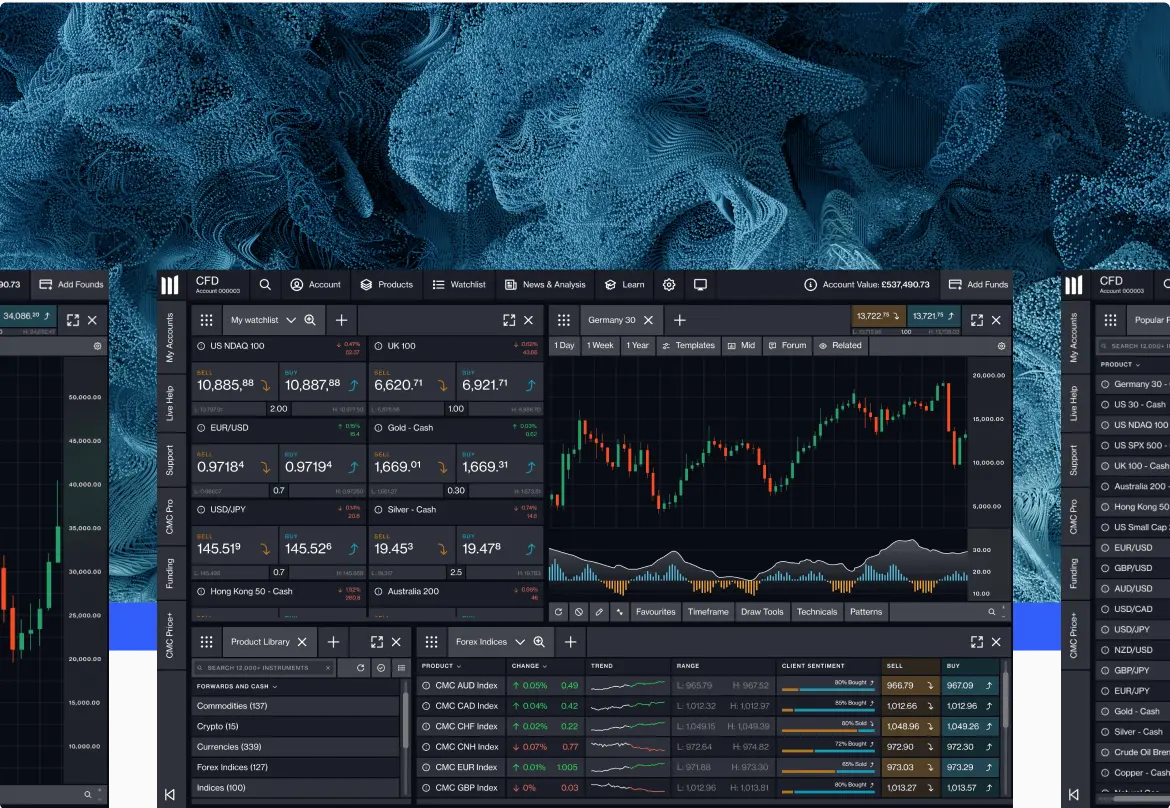
When traders type "best crypto algo trading platform," they are not hunting for the most arcane toolkit. They are looking for a working path from idea to live execution, tools that let you test fast, control risk transparently, and deploy reliably without handing over custody of funds.
What Are Traders Actually Buying?
They want a clear feedback loop, plain and simple. You want to sketch a rule in plain English, see how it behaved on past markets, measure drawdowns and tail-risk, and launch it into live paper or production in minutes.
That means intuitive strategy builders, robust backtesting on historical ticks, realistic slippage and fee models, position sizing controls, and immediate visibility into PnL and risk metrics. The platform’s job is to make strategy logic the unit of work, not lines of code.
How Do Traders Validate Ideas Quickly?
Good platforms provide one-click backtests, walk‑forward testing, and on-demand paper trading with minute or tick resolution so you can spot overfitting before money moves. When tests take hours because data is fragmented or tooling is developer-only, traders abandon iteration. In practice, traders who move from script-based setups to GUI-first testing compress iteration from weeks to days by using integrated historical data, automated scenario tests, and reproducible reports.
How Much Does Security Matter When People Choose a Platform?
According to ETNA, over 70% of traders prioritize security features when choosing a crypto algo trading platform. That figure indicates security is not optional; it is a first-class selection criterion; traders will avoid a system they do not trust.
Non‑custodial OAuth/API connections, zero‑knowledge encryption, daily loss limits, circuit breakers, and third‑party penetration testing are controls that reduce the psychological cost of experimentation and enable you to test boldly without sacrificing funds.
Why Does Deployment Friction Kill Otherwise Good Strategies?
When deployment requires stitching together scripts, Dockerfiles, cron jobs, and bespoke monitoring, fragile setups fail in live markets. A strategy performs well in backtesting, but a broken API key, a time zone mismatch, or a credential rotation can cause silent outages and unexpected losses.
That fragility is exposure you do not need when liquidity and automated flows dominate trading activity. According to Digiqt Blog, algorithmic trading accounts for 80% of the total trading volume in crypto markets. This concentration raises the bar for resilience and monitoring, as you are competing with automated flows that respond instantly.
What Should You Prioritize When You Search?
Rank tools by how fast they let you learn, not by how many exotic libraries they expose.
- Check experimentability: Does the platform let you run backtests and paper trades without coding?
- Check safety: Are there enforced limits, audit logs, and encrypted credentials?
- Check deployment hygiene: One-click live deployment, resilience to API changes, and built-in alerts.
- Check the quality of historical data and the fidelity of execution simulation, because an elegant strategy on insufficient data is still guessing.
Related Reading
- Crypto Trading Patterns
- Is Pepe Crypto A Good Investment
- Which Crypto Is The Next Bitcoin
- Do You Pay Taxes On Crypto Before Withdrawal
- Where To Buy Presale Crypto
- Can You Make Money Trading Crypto
- How Old To Buy Crypto
- Most Volatile Crypto For Day Trading
- Best Time To Trade Bitcoin
- Day Trading Crypto Vs Stocks
- Forex Trading Vs Crypto Trading
- What Is Wash Trading In Crypto
Why Most Algo Trading Platforms Miss the Mark
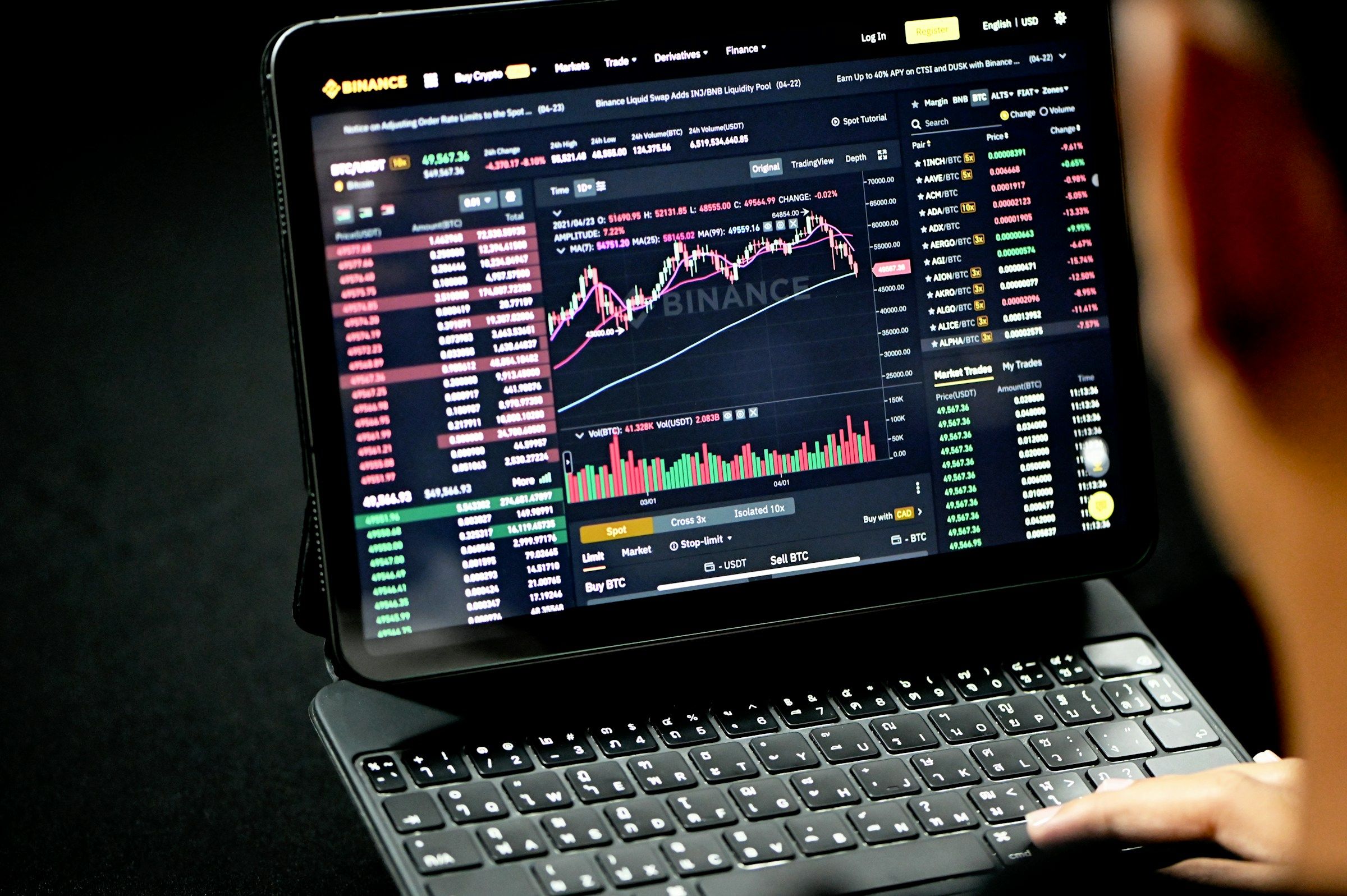
Most platforms fall short because they were engineered for feature lists, not for the decisions traders actually need to make. They offer endless knobs and raw flexibility, but not the experiment framework, execution realism, or observability that turns an idea into a repeatable, live edge.
Why Does Bad Experiment Design Destroy Signal?
This problem appears across retail desks and boutique teams. Without experiment management, every backtest is a one-off. Teams run many parameter sweeps, cherry-pick winners, and never track which changes produced which result, so the next iteration is blind. That practice creates hidden selection bias and a false sense of confidence, making overfitting inevitable and undermining the learning loop traders depend on.
How Do Execution Assumptions Erode Live Performance?
Simulated fills, smoothed slippage models, and idealized order routing hide the actual cost of trading. According to LinkedIn, a system showing +15% CAGR on paper may actually deliver 5% in live trading after costs.
That gap is not a rounding error; it is the practical effect of latency, partial fills, and market impact that were never stress-tested. When execution is modeled as a neat math problem, live markets treat it like a test you forgot to study for.
What Happens When Monitoring Is an Afterthought?
This pattern holds when teams treat alerts as optional. Without canarying, real-time reconciliation, and drift detection, strategies quietly wander from intended behavior until a minor slippage becomes a significant loss.
It feels like running a factory with no gauges. The machine hums; nobody notices until a belt snaps. Traders who want automation but lack observability end up babysitting code they were supposed to trust.
Why Do Incentives and Product Design Amplify the Problem?
Most vendors sell flexibility and integrations, not validated outcomes, so buyers inherit complexity and responsibility for the research discipline. That familiar approach works early, but as the number of strategies and market regimes grows, maintenance and hidden costs compound. Experimentation slows, confidence erodes, and many traders stop automating at scale.
Could There Be a Safer Bridge from Idea to Execution?
Most teams manage the idea-to-live path with ad hoc workflows because they are familiar with them, and that works initially. As experiments multiply, version drift and manual handoffs scatter context and cause costly rework.
Platforms such as Coincidence AI offer a middle path, converting plain-English rules into deployable bots while maintaining noncustodial API control, built-in paper trading, and audited safety controls, so teams can preserve custody and iterate without rebuilding the plumbing.
What Do Traders Feel When These Failures Stack Up?
It’s exhausting when a promising insight requires a week of engineering before you can even test it, and then another week to get it running reliably. That frustration shows up as fewer experiments, defensive parameter choices, and a tendency to cling to a small set of polished strategies rather than testing broadly. The emotional cost is real, and it reduces the population of ideas that could have produced a true edge.
The Real Bottleneck in Algo Trading

The real bottleneck is the handoff between human intent and reliable, repeatable execution. Ideas stall where language meets engineering, such as ambiguous rules, brittle data contracts, and slow validation cycles, turn promising concepts into months of maintenance work rather than rapid hypothesis testing.
Why Does Most Time Vanish Before a Single Trade Executes?
According to LinkedIn Pulse, 70% of the time spent in algorithmic trading is on data preparation and cleaning. Teams spend their calendars resolving mismatched timestamps, reconstructing order books, and normalizing dozens of feeds before any logic runs, so the visible algorithm is often the smallest part of the effort.
What Breaks When Traders Try to Translate Intuition into Code?
This challenge is common among solo traders and small businesses. A rule written as "enter on momentum flip" splinters into fifty edge cases when you account for holidays, microstructure quirks, and partial fills. The mental model that made the idea feel simple collapses under the specificity required for production, creating sprawling code paths that need constant babysitting and patching.
How Much of the Pipeline Actually Builds Algorithms?
According to LinkedIn Pulse, only 10% of the total process time is spent on the actual algorithm development. The creative, strategic work is tiny compared with validation, deployment, and ops, which explains why so many systems look polished but produce little ongoing innovation.
What Signals Tell You the Bottleneck Is Shrinking?
Measure idea throughput, not uptime. Track time from concept note to first paper trade, experiments per month, and the fraction of incidents caused by data mismatches versus model logic. When those numbers move, you stop guessing about efficiency and start seeing whether the platform is amplifying ideas or just hiding work.
What Practical Habits Actually Lower Translation Friction?
Build immutable test fixtures for each market regime so a rule can be stress-tested without re-wiring data each time. Standardize rule templates that capture intent plus failure modes, then attach automated scenario generators that simulate exchange quirks.
Use a single experiment registry with parameter provenance, so you can prove which change produced an outcome and roll it back cleanly. Those practices make strategy logic the unit of work, not a pile of brittle scripts.
Related Reading
- Best Time To Trade Crypto
- Best Time To Trade Crypto In US
- Bitcoin Vs Crypto
- Crypto Swing Trading Strategy
- Crypto Trading Bot Strategies
- Automated Crypto Trading Strategies
- How To Find Crypto Wallet Address
- How To Buy Presale Crypto
- How To Trade Crypto Under 18
- Best Crypto Credit Cards
What Defines the Best Crypto Algo Trading Platform

The best crypto algo trading platform turns idea into reliable action quickly, with transparent cost signals and surgical controls so you can iterate without guesswork. It balances low-friction experimentation, exchange-aware execution, and audit-grade observability so strategy thinking stays the unit of work, not engineering busywork.
How Should a Platform Manage Exchange Fee Structures and Routing?
You need clear, per-exchange economics disclosed up front, plus routing that automatically reduces fees. Many exchanges offer maker rebates, VIP tiers, and institutional programs that affect a strategy's break-even, so the platform must show realized fees and simulate rebates against historical order flow.
According to Coin Bureau, exchanges like Binance, Kraken, and KuCoin offer VIP trading tiers, maker rebates, and institutional programs that reduce trading costs for high-volume and HFT traders. Treating fee schedules as a first-class variable helps you separate true alpha from cost arbitrage.
Should Platforms Assume Developers or Non-Coders Will Use Them?
Design for both. Python dominates the engineering side of algo trading because it accelerates development and integrates with mature data and execution libraries. Therefore, a platform that exports strategy logic or provides Python SDKs keeps the technical path open.
According to Coin Bureau, Python is the most popular programming language for building trading bots due to its simplicity and strong libraries. Supporting code exports and structured templates reduces translation drift when a prototype graduates to production.
What Execution and Resilience Features Actually Protect Strategies?
Insist on explicit handling for rate limits, credential rotation, partial fills, and order timeouts, plus canarying and automated reconciliation that catch silent failures in minutes rather than hours.
Practical measures include per-order telemetry, hold-and-retry queues for backpressure, multi-venue fallback routing, and experiment-mode executions that replay live fills against hypothetical orders. Good recipes fail without calibrated ovens and thermometers that log every bake. Observability turns luck into repeatability.
What Operational Metrics Should You Use to Evaluate Platforms?
Move beyond feature lists and measure throughput and fidelity. Track idea-to-first-paper-trade time, experiments per month, median detection time for execution incidents, average model-to-live slippage, and percent of strategies with documented failure modes.
These metrics tell you whether the platform amplifies learning or merely hosts experiments. A platform that halves idea-to-paper time and cuts mean time to detection significantly changes the sample size of your research, which is where real edge emerges.
How Do You Vet the Platform’s Auditability and Forensics?
Check immutable experiment logs, timestamped order traces, and reconciliations that tie fill-level PnL back to the exact rule version and market snapshot used in testing. Require role-based access logs, exportable audit trails, and penetration test results so incidents can be investigated without blind spots. The best platforms make post-mortems factual, not speculative, because clear records turn mistakes into teachable events.
Trade with Plain English with our AI Crypto Trading Bot
Pattern recognition is the currency of profitable crypto trading, and when you turn repeatable setups into reproducible templates, you convert scarcity into process and scale tests without multiplying brittle scripts.
If you want to make that shift, consider Coincidence AI as the best crypto algo trading platform for formalizing pattern libraries, increasing experiment throughput, and deploying automated trading strategies so you can spend your judgment refining edge, not wrangling glue code.
Related Reading
- Best Ethereum Classic Wallet
- Best Crypto To Swing Trade
- Best Crypto For Long Term Investment
- Best Crypto Platform For Day Trading
- Best Time Frame For Crypto Trading
- Best Months For Crypto
- Best Crypto Trading Terminal
- Kraken Alternative
- 3Commas Alternative