
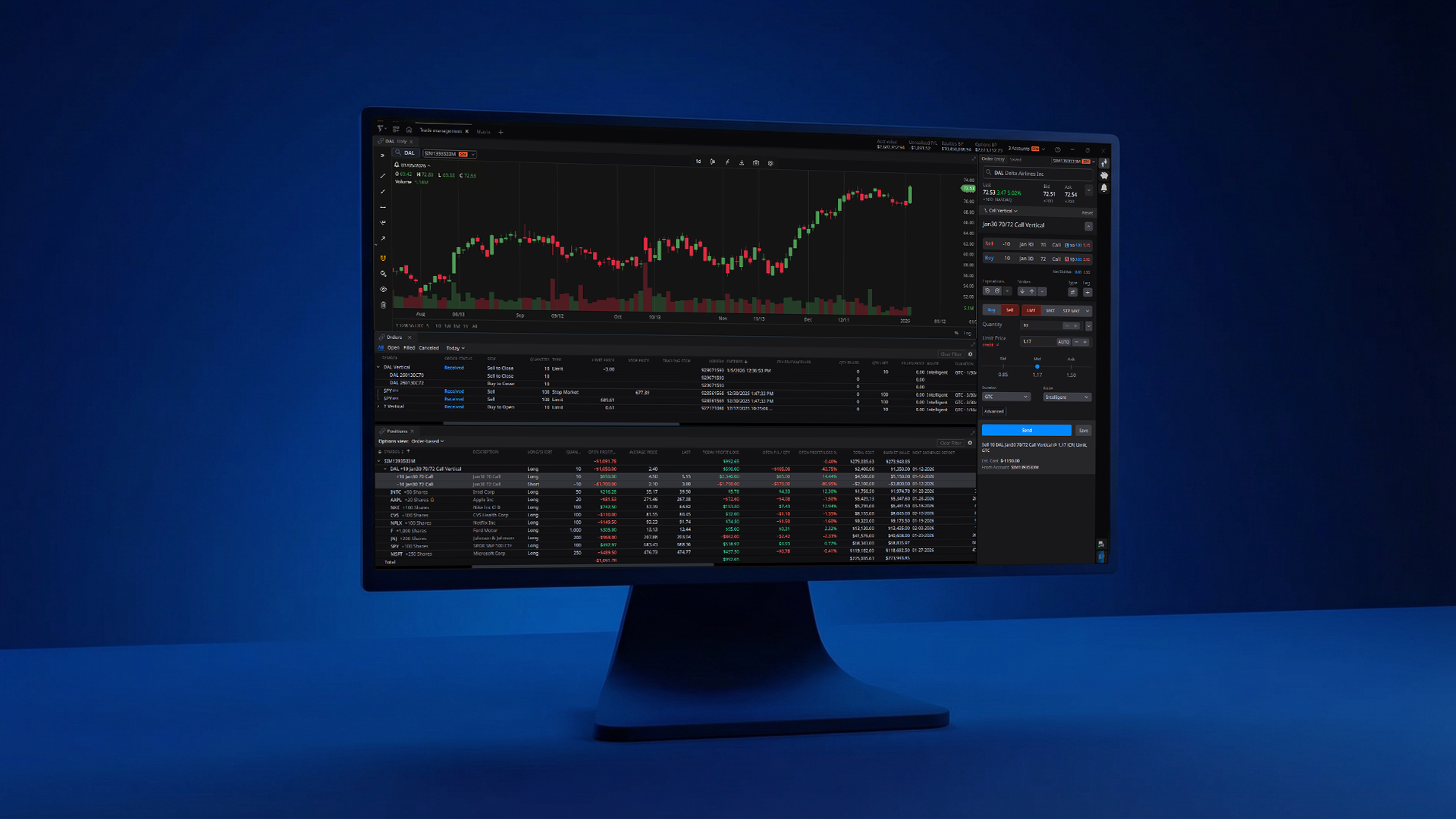
You watch crypto trading patterns unfold and feel the gap between a smart idea and the tools you need to act on it. Charts, indicators, order types, backtesting, API access and clean execution all change how a strategy trader performs, yet many terminals bury those features behind clutter. Which platform gives you fast data, clear signals, and simple portfolio tools? This article lays out practical criteria to help you choose the best crypto trading terminal for strategy traders.
Coincidence AI’s AI crypto trading bot connects to exchanges, runs backtests, automates signals, manages risk, and delivers alerts and real-time data so you can focus on sharpening your strategy instead of wrestling with setup.
Summary
- Execution friction turns ideas into losses: only 10% of traders are consistently profitable, and 75% fail within the first year, showing that hesitation, mis-sized positions, and duplicate orders compound into missed edges.
- Feature bloat and display-first terminals frustrate users; only 15% of users find their current trading terminal satisfactory, indicating that more widgets do not translate into better decision fidelity.
- Missing or inaccurate market feeds and unrealistic simulators wreck repeatability, and over 70% of crypto trading terminals lack advanced charting or exchange-accurate simulation features that reproduce partial fills and fees.
- The real bottleneck is infrastructure, not the UI, with 75% of IT leaders saying their infrastructure is not ready for AI and 60% of companies reporting non-scalable data pipelines, which causes backfills, auth expirations, and race condition failures.
- At scale, observability matters because top terminals serve over 50,000 active users daily, so operational signals like fill-rate by venue, p99 order acknowledgement latency, and reconciliation mismatches per 1,000 fills determine whether automation preserves edge.
- Strategy-first workflows change outcomes in measurable ways, with strategy-first terminals showing a 30% increase in operational efficiency and a 40% improvement in decision-making speed, thereby compressing validation cycles and reducing ad hoc patchwork.
This is where Coincidence AI's AI crypto trading bot fits in; it addresses execution and validation friction by translating plain-English strategy rules into deterministic, auditable bots, enforcing sizing and daily loss limits, and running exchange-accurate simulations over non-custodial API connections.
What Traders Actually Mean When They Search “Best Crypto Trading Terminal”

When traders type best crypto trading terminal, they are asking for a workspace that clears mental clutter and converts ideas into action, fast. They want fewer steps between thought and order, reliable execution under pressure, and systems that protect capital while they test hypotheses.
What Are They Really Hunting For?
The familiar checklist misses the point. Traders want a single, uncluttered view so they do not hunt between tabs mid-move, instant order paths. Hence, analysis becomes execution, and automation that removes repetitive clicks that break conviction.
This is about reducing context switching, not increasing information; it is about tools that preserve your decision, not tools that compete for your attention.
How Do Tools Actually Get in the Way?
Feature bloat creates cognitive noise. When interfaces require manual order routing, copy-and-paste sizing, or juggling exchange UIs, hesitation sets in, and minutes become mistakes. Picture a cockpit with every gauge turned up to maximum and no autopilot, where the pilot spends time finding which dial matters instead of flying.
The failure mode is predictable: good ideas arrive, execution lags, and small slippage compounds into missed edges and losses.
Why Does Execution Friction Matter More Than Charts?
This is a pattern across both retail and professional traders: when analysis and execution live in different apps, the probability of losing an idea rises sharply. Repetitive manual steps introduce errors and hesitation, increasing risk and reducing repeatability.
That explains why only 10% of traders are consistently profitable, a stark reminder that sustainable edge comes as much from disciplined execution as from insight.
What Are the Human Failure Modes That Tools Must Solve?
When trader workflows are mapped, four behaviors repeatedly undermine systems:
- Hesitation
- Mis-sized positions
- Accidentally duplicated orders
- Cognitive burden of managing multiple credentials and interfaces
Each issue may seem minor in isolation, but over weeks they compound. When combined with the reality that 75% of traders fail within their first year, the pattern becomes clear—early operational friction steadily erodes both capital and confidence.
What Capabilities Reduce That Friction?
If you ask what matters, the list is short and practical. Instant, one-click execution paths that honor your sizing rules. Transparent automation that parses your strategy into deterministic rules you can audit before deployment. Built-in safety nets, like position sizing, daily loss limits, and circuit breakers, so that you can test aggressively without catastrophic downside.
And realistic paper trading that mirrors exchange constraints, so your live rollout is not a surprise. These are the features that convert strategy into reliable outcomes.
The Hidden Cost of Patchwork Trading Workflows
Most teams stitch together charts, exchange UIs, spreadsheets, and manual sizing because it is familiar and requires no new integrations. That approach works for early experiments, but as trade frequency or capital stakes increase, hidden costs emerge, orders get mistyped, reconciliation consumes hours, and confidence erodes.
Strategy-First Automation Without Custodial Risk
Solutions like Coincidence AI provide a different path: they translate plain-English strategy descriptions into tested, deployable bots in minutes, keep funds non-custodial via OAuth and API connections with zero-knowledge encryption, and include transparent, parsed rules, risk controls, and realistic paper trading to compress validation cycles without sacrificing safety.
How Should You Evaluate a Terminal in Practice?
Focus on three tests you can run in an afternoon: see if you can move from a plain-English rule to a simulated bot without scripting; check whether the platform enforces sizing and loss limits automatically; and measure the time between deciding to act and a confirmed order. If those times are long, the terminal is a drag on your edge.
If they are short, you have a repeatable workflow. This is a constraint-based judgement: when your priority is speed and consistency, choose tools that automate the mundane while leaving oversight and control with you.
When Trading Tools Become the Bottleneck
It’s exhausting when your tools demand more attention than the market does; simple interfaces that honor decision-making free up mental bandwidth for higher-level strategy rather than firefighting. That contradiction costs more than lost trades—and the next section will show exactly where most terminals trip up.
Related Reading
- Crypto Trading Patterns
- Is Pepe Crypto A Good Investment
- Which Crypto Is The Next Bitcoin
- Do You Pay Taxes On Crypto Before Withdrawal
- Where To Buy Presale Crypto
- Can You Make Money Trading Crypto
- How Old To Buy Crypto
- Most Volatile Crypto For Day Trading
- Best Time To Trade Bitcoin
- Day Trading Crypto Vs Stocks
- Forex Trading Vs Crypto Trading
- What Is Wash Trading In Crypto
Why Most Crypto Trading Terminals Miss the Mark
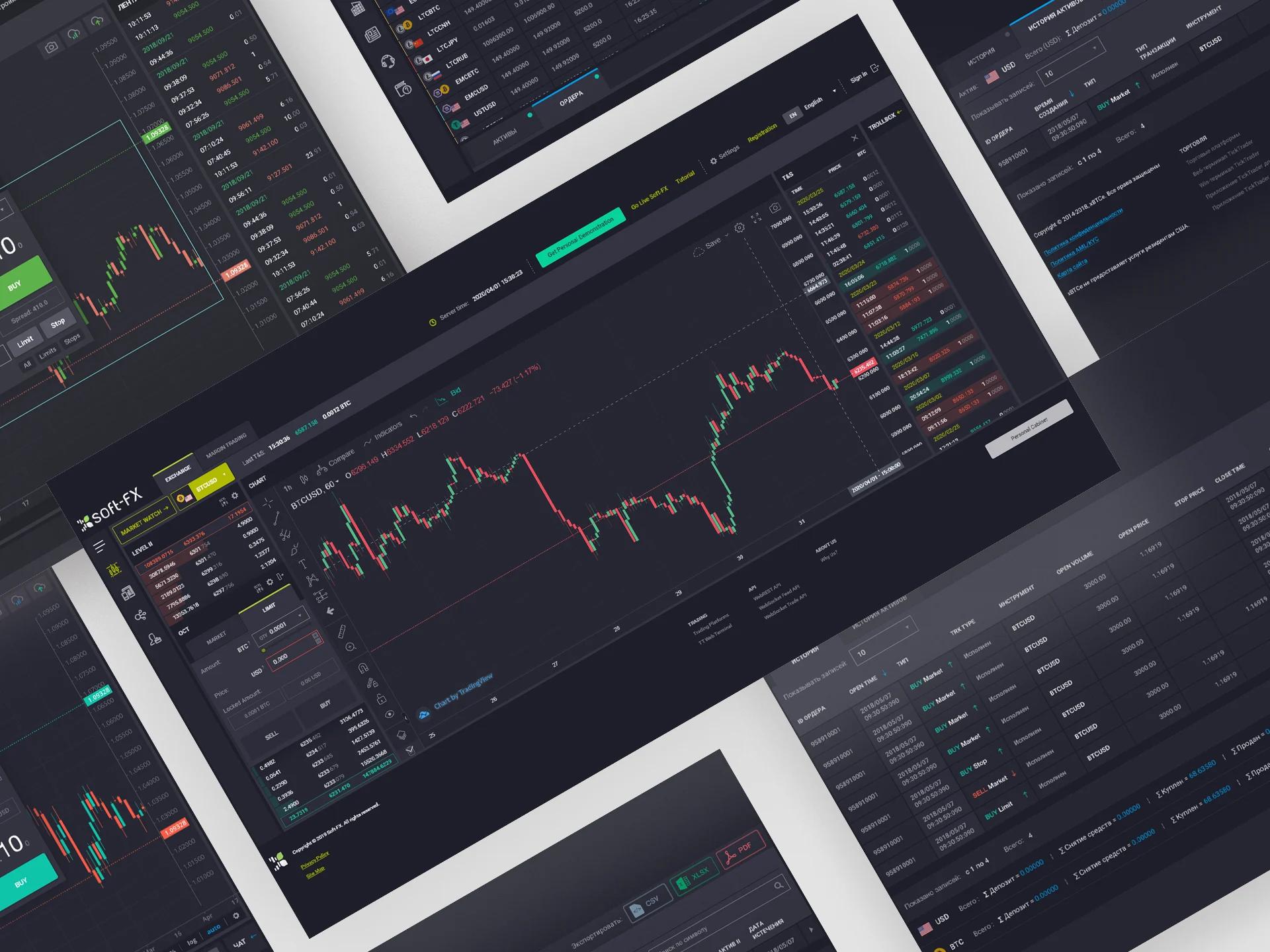
Most terminals fall short because they prioritize display density over decision fidelity; they require traders to prove a trade rather than making the trade verifiable and repeatable in code. The real failures show up in data accuracy, execution parity, and the ability to turn a trading rule into an auditable, deployable process.
Why Do Stale Feeds Wreck Edge?
Latency and fragmented data are not theoretical annoyances; they are performance killers. When candles update late or orderbook snapshots arrive out of sync, the price you expect to receive and the price you actually receive diverge. That gap creates slippage, which compounds when orders are split across exchanges.
I watch experienced traders lose confidence not because their idea was bad, but because the plumbing between signal and fill was unreliable.
What Happens When Backtests Lie to You?
Paper trading that ignores partial fills, maker-taker fees, funding payments, or queue position gives a false sense of repeatability. A strategy that looks flawless in a simplistic simulator often fails in live markets because the test did not replicate exchange behavior, order contention, or rate limits.
Good terminals provide exchange-accurate simulations and deterministic rule parsing so you can trace why a bot did what it did and correct the assumption that led to the result.
Why Do So Few Users Stick with These Platforms?
According to a 2023 user satisfaction survey, only 15% of users find their current trading terminal satisfactory. This survey highlights that traders are voting with frustration, not features, signaling deeper credibility and workflow failures beyond mere UI styling.
Are Advanced Charts the Missing Piece or a Red Herring?
The surprising truth is that many platforms underdeliver where it matters most: over 70% of crypto trading terminals lack advanced charting tools. This October 2023 analysis highlights that vendors often prioritize widgets over investable technical capabilities, forcing traders to either build compensating processes or accept blind spots in pattern verification.
Status Quo Disruption
Most teams handle trading by stitching together scripts, spreadsheets, and exchange UIs because it feels flexible and cost-free. That familiar approach works at a small scale, but as positions grow or latency becomes an issue, reconciliation and manual work consume time and introduce errors.
Platforms like Coincidence AI translate plain-English strategy descriptions into deployable bots, enforce position sizing and loss limits automatically, and run exchange-accurate simulations, reducing validation time from days of tinkering to a few iterative tests.
How Do You Quickly and Accurately Test a Terminal?
Run three short checks in one session: confirm that your strategy converts to explicit rules you can read, verify the simulator reproduces exchange fills and fees, and measure the time from decision to confirmed order. If any of those steps are fuzzy, you are not evaluating the best crypto trading terminal; you are considering a display case.
What Does a Trustworthy Execution Stack Look Like?
Think of it like a kitchen where recipes are precise, and timing is enforced. You need non-custodial API paths for safety, deterministic rule parsing for auditability, exchange-accurate paper trading for confidence, and enforced risk controls for survivability. When those parts align, strategy becomes a process you can repeat, iterate on, and scale without creating new workarounds each month.
The Experimentation Loop
Picture the trader who can read a rule, hit deploy, watch a simulation run with real exchange edge cases, and then promote the bot live without granting custody of funds. That workflow turns hope into a controlled experiment, and experiments are how you compound an advantage. That looks like progress, but the next bottleneck is more profound and more surprising than interface design.
The Real Bottleneck Isn’t the Interface
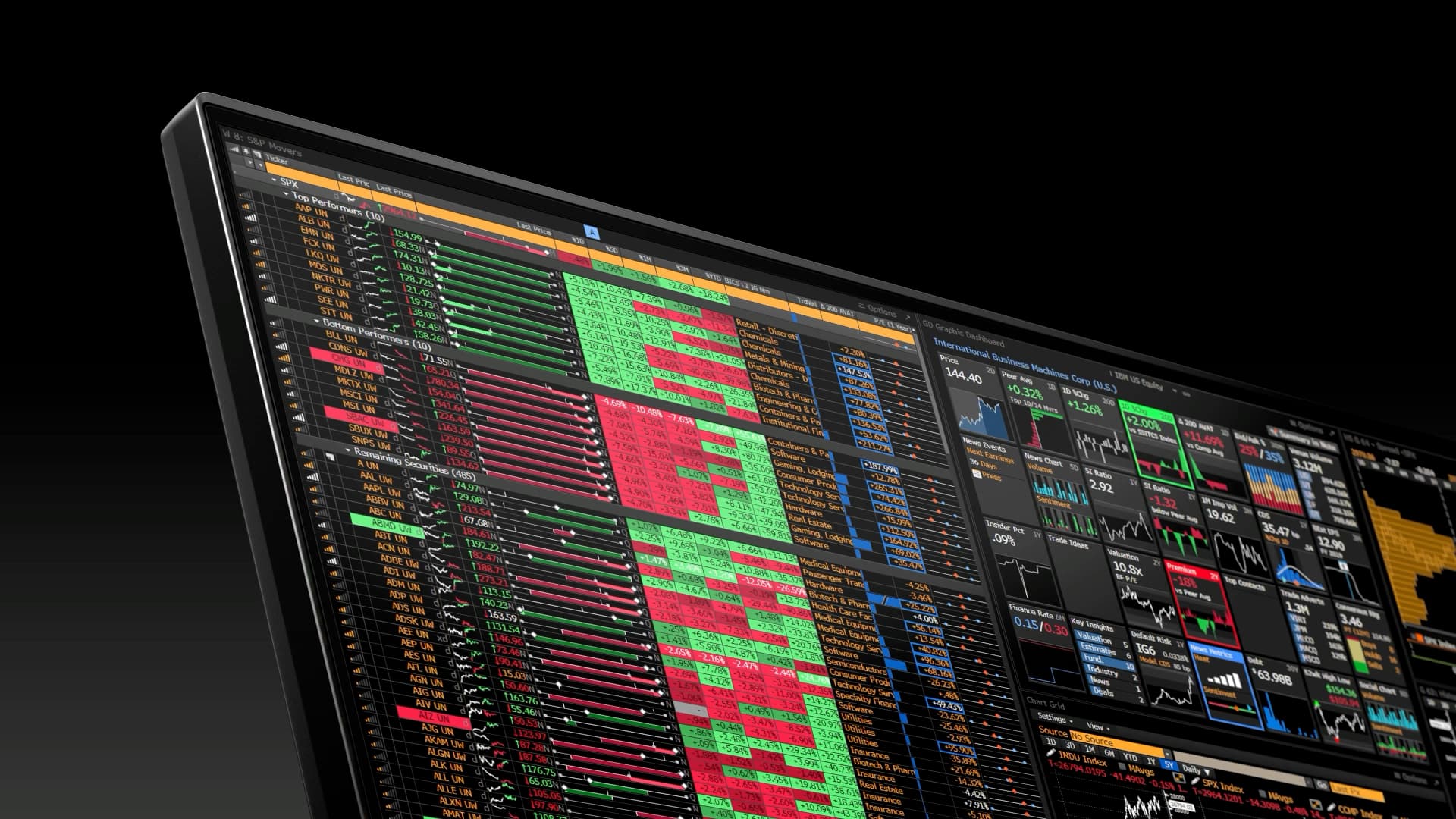
The bottleneck sits below the glass, in the translation layer and execution plumbing that must turn a trader’s intent into deterministic, auditable actions at market speed. Until that layer is reliable, a prettier interface only masks the absolute failure: unpredictable execution, slow feedback, and fragile learning.
Why Does Translating Rules Into Code Matter More Than Polish?
Traders think in conditions and scenarios, not pixels. If a terminal cannot parse "enter long at break of 1.03 with 1% risk per trade" into the same sequence of checks, calculations, and orders every time, you lose repeatability. That loss shows up as noisy experiment results, inconsistent position sizing, and learning that never compounds.
You need deterministic rule parsing, versioned rule artifacts, and execution guards so a decision becomes an experiment you can iterate on, not a one-off prayer.
What Are the Real Failure Modes Under the Hood?
Latency is noticeable, but so are race conditions, idempotency failures, and credential drift. Market data that backfills differently than live feeds, order-routing that splits fills across exchanges without preserving intended size, and a lack of automatic failover during rate-limit storms all erode edge.
These are operational problems, not design problems, and they require engineering—stateful order managers, robust retry logic, and observable audit trails that record why a bot made each fill decision.
How Widespread is the Infra Problem?
You see this symptom in stalled automation projects and teams that cannot reliably push rules to production. You see it in complex numbers: 75% of IT leaders say their infrastructure is not ready for AI, a 2025 finding indicating that most organizations lack production-grade plumbing for automated decisioning.
Data pipelines amplify the issue, since reliable automation depends on consistent historical and streaming data, and 60% of companies report that their data infrastructure is not scalable, a 2025 signal that backfills and replay tests will often fail when you most need them.
Brittle Control
Most teams handle this by bolting scripts and spreadsheets together because it is familiar and cheap. That makes sense for early experiments, but the hidden cost is brittle control: credential sprawl, undocumented rule drift, and manual overrides that quietly nullify risk controls.
Auditable Automation
Platforms like Coincidence AI offer an alternative approach, translating plain-English strategies into auditable bots that automatically enforce sizing, daily loss limits, and circuit breakers, and connect via non-custodial OAuth/API with zero-knowledge encryption, making execution repeatable and safe rather than an ad hoc patchwork.
How Can You Prove the Bottleneck Is Infrastructure, Not the UI?
Instrument the workflow. Measure how long it takes to move from a defined rule to a deterministic simulation, then to a live order, and record how often human intervention changes an automated decision. Track divergence between simulated fills and live fills, and log the number of reconciliation events per 100 trades.
If tests fail because of missing historical windows, unpredictable backfills, or auth expirations, the bottleneck is clearly infrastructure and data, not layout or widget count.It feels personal when a good idea dies because of plumbing, but the next piece is stranger and more revealing.
What Actually Defines the Best Crypto Trading Terminal
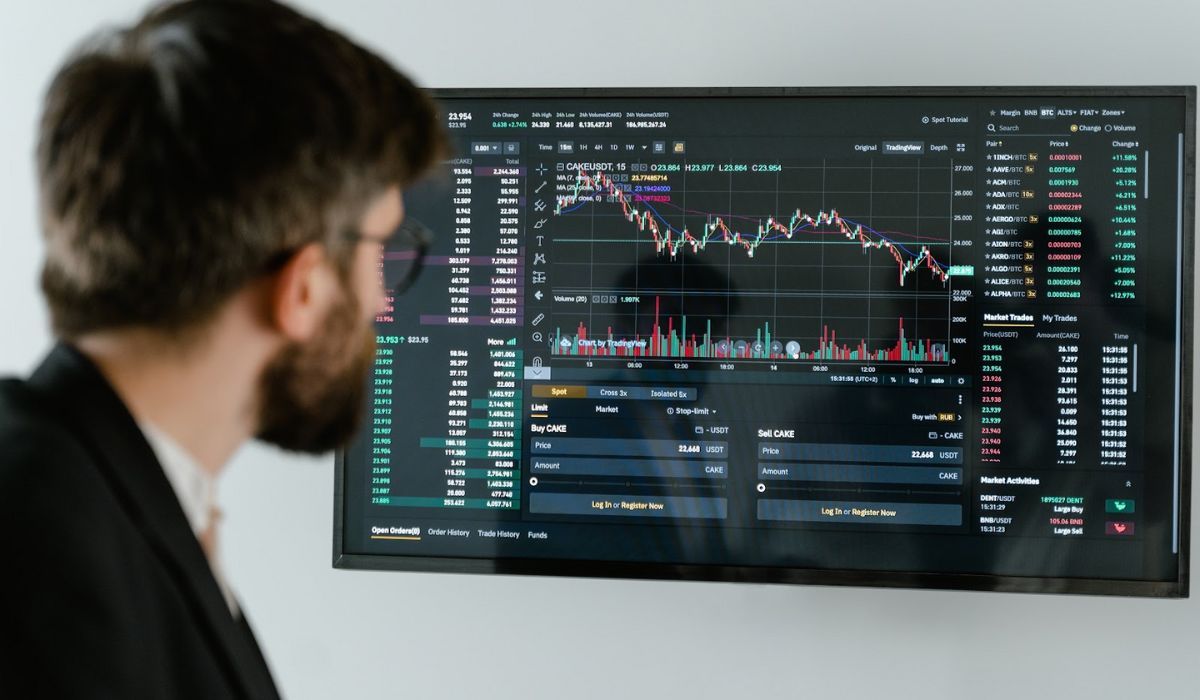
The best crypto trading terminal proves itself in how it manages change, collaboration, and failure, not how many widgets it shows you. It must make experiments reproducible, incidents observable, and approvals fast so teams can iterate with confidence and recover without guesswork.
What Operational Controls Should I Check First?
- Treat the terminal like a regulated production system.
- Look for immutable rule versions, time-stamped change logs, and deployment gates that require approvals before any live promotion.
- Those features let you run an experiment, rewind it, and compare outcomes objectively, the same way software teams use version control to avoid configuration drift.
- Ask how long it takes to trace a trade from a rule edit to the live fill, and whether you can replay that exact window of market data for forensic analysis.
How Do You Measure Reliability in Real Time?
Shift from vanity metrics to operational signals: fill rate by venue, reconciliation mismatches per 1,000 fills, p99 latency for order acknowledgement, and daily false-positive alerts. These numbers tell you whether the terminal preserves edge under load or simply looks good on a quiet day.
At scale, concurrent user load matters too, as evidenced by over 50,000 active users on top crypto trading terminals daily in 2025. The best platforms must provide fine-grained observability and capacity controls so your automation does not compete with other users for resources.
The Fragility of the Familiar
Most teams handle this by building ad hoc scripts and Slack threads because that feels immediate and familiar. That familiar approach works for pilots, but as automation runs more often, manual patches become the default incident response, and mistakes multiply.
Platforms like Coincidence AI provide rule versioning, role-based deployment approvals, and replayable test windows, compressing incident resolution from days to hours while keeping audit trails intact.
Why Does Human Oversight Still Matter, and How Do You Keep It Fast?
You need staged rollouts and canary executions, not blunt on/off toggles. Gate new logic to a percentage of capital, monitor early performance against predefined thresholds, then auto-promote if metrics hold. Keep kill switches prominent and toggleable by a small, authorized group so intervention is immediate. This preserves speed without sacrificing control and transforms firefighting into discipline.
What Collaboration and Reproducibility Features Actually Change Outcomes?
Look for annotated backtests, shareable templates with provenance metadata, and in-app discussion threads tied to specific strategy versions. Think of it as a lab notebook for trading ideas, where every adjustment records who changed what, why, and which market window was used for testing.
That provenance makes performance debates tractable and reduces the social cost of handing a live strategy to another team member.
How Should Cost, Privacy, and Compliance Factor Into Evaluation?
Demand transparent fee models that let you simulate fees and funding in test runs, not after the fact. Insist on encrypted, non-custodial connections with long-term log retention for audits and compliance, and role-based access so reviewers can see precise audit trails without exposing credentials.
Those controls protect capital and build the kind of institutional trust that matters once you move beyond proofs of concept.Many platforms add AI for appearances, but adoption is meaningful: a 2025 study shows that 75% of traders prefer terminals with integrated AI tools, indicating that traders expect AI to operate within the execution workspace rather than remain isolated in a research silo. Once you lock down versioned rules, observability, and fast approvals, a different problem appears — and that is where things get interesting.
Related Reading
- Best Time To Trade Crypto
- Best Time To Trade Crypto In US
- Bitcoin Vs Crypto
- Crypto Swing Trading Strategy
- Crypto Trading Bot Strategies
- Automated Crypto Trading Strategies
- How To Find Crypto Wallet Address
- How To Buy Presale Crypto
- How To Trade Crypto Under 18
- Best Crypto Credit Cards
Why Strategy-First Terminals Change Outcomes
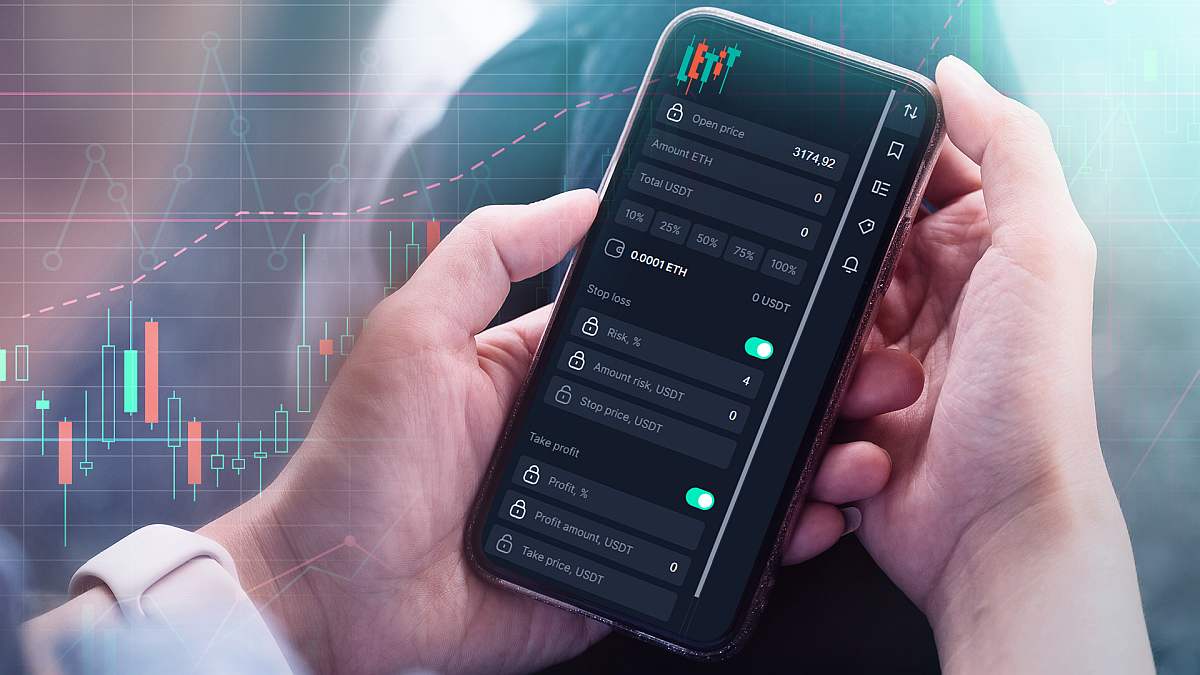
Strategy-first terminals change outcomes by turning trading into disciplined experimentation, reducing the time between an idea and measurable evidence so you can iterate on what works and stop what does not. They do this by making strategies modular, auditable, and stageable, which forces trade outcomes to be judged against reproducible tests instead of gut feeling.
How Do You Make Experiments Repeatable and Comparable?
- Treat every strategy like a lab experiment.
- Break a strategy into explicit primitives: entry condition, sizing rule, exit condition, and fail-safe.
- Run parameter sweeps with out-of-sample windows and holdout periods, not just single best-fit backtests.
- Use canary allocations, promote successful variants by capital allocation percentage, and require a minimum number of live trades before a full rollout to avoid chasing ephemeral edges.
These steps convert random wins into statistically proper signals and force teams to answer, concretely, how much of the observed performance is noise.
Which Operational Signals Prove a Terminal Preserves Your Edge?
Watch signal fidelity, not prettiness. Key indicators include:
- Simulated-to-live divergence
- Fill rate by venue
- P99 order acknowledgement latency
- Intervention rate per 1000 orders
- Reconciliation mismatches
Instrument these as part of every experiment, and gate promotion on thresholds that matter for your risk profile. If live slippage or fill rate drifts beyond the test window, the experiment fails, and you trace the cause, rather than assuming the strategy lost its edge.
When Does Faster Iteration Become a Hazard?
Speed without constraints creates hunting and overfitting. If you halve the idea-to-live time while leaving no cooling-off periods, parameter mining and confirmation bias accelerate.
Counter this with risk budgets per strategy, mandatory cooling-off windows after negative runs, forced ensemble testing across regimes, and randomized stress scenarios that replay recent market congestion and rate-limit storms. Those constraints preserve learning; they do not slow it.Most teams stick with ad hoc scripts and spreadsheets because that workflow feels familiar and requires no new integrations. As stakeholders grow and strategies multiply, that habit fragments approvals, hides provenance, and makes rollbacks slow and error-prone.
The Sovereign Strategy
Platforms like Coincidence AI offer teams an alternative approach, translating plain-English strategy descriptions into deployable bots, enforcing position sizing and daily loss limits automatically, and keeping connections non-custodial with zero-knowledge encryption so validation cycles can be compressed without exposing credentials.
Why Does That Operational Change Move the Needle?
Because it is measurable, and measurable systems improve. According to strategy-first terminals, increasing operational efficiency by 30% enables teams to act faster and with less second-guessing, as reflected in a 40% improvement in decision-making speed. These are not vanity wins; they represent the difference between a slow hypothesis pipeline and one that compounds insight.
How Should Teams Reorganize Roles and Reviews to Align with This Approach?
- Shift reviewers from approving interface tweaks to validating experiment design.
- Make analysts owners of hypothesis definitions, ops owners of promotion gates, and risk owners of the kill-switch thresholds.
- Replace monthly postmortems with short, time-stamped checkpoints after every staged rollout.
- Keep an immutable change log tied to each strategy version, and require a replayable market window for every approval, so reviewers see precisely what the strategy saw when it ran.
What Traders Feel When This Works
This pattern appears across retail and desk workflows: as execution moves from ad hoc clicks to auditable rules, hesitation falls and confidence returns. You stop micromanaging the order screen and start treating every strategy as a documented lesson, not a secret. That emotional shift, combined with measurable controls, is how disciplined trading scales without burning conviction.That progress appears to be momentum until a single hidden variable appears and changes everything.
Trade with Plain English with our AI Crypto Trading Bot
Most traders still patch workflows with notes, spreadsheets, and exchange screens because it feels familiar, and that friction eats good ideas the moment they matter, turning conviction into hesitation.
I recommend you try platforms like Coincidence AI, which let you write strategies in plain English and, in minutes, backtest and deploy them non-custodially to exchanges like Bybit and KuCoin with transparent parsed rules and built-in risk controls, a practical way to judge whether a terminal truly earns the title best crypto trading terminal.
Related Reading
- Best Ethereum Classic Wallet
- Best Crypto To Swing Trade
- Best Crypto For Long Term Investment
- Best Crypto Platform For Day Trading
- Best Time Frame For Crypto Trading
- Best Months For Crypto
- Best Crypto Algo Trading Platform
- Kraken Alternative
- 3Commas Alternative