
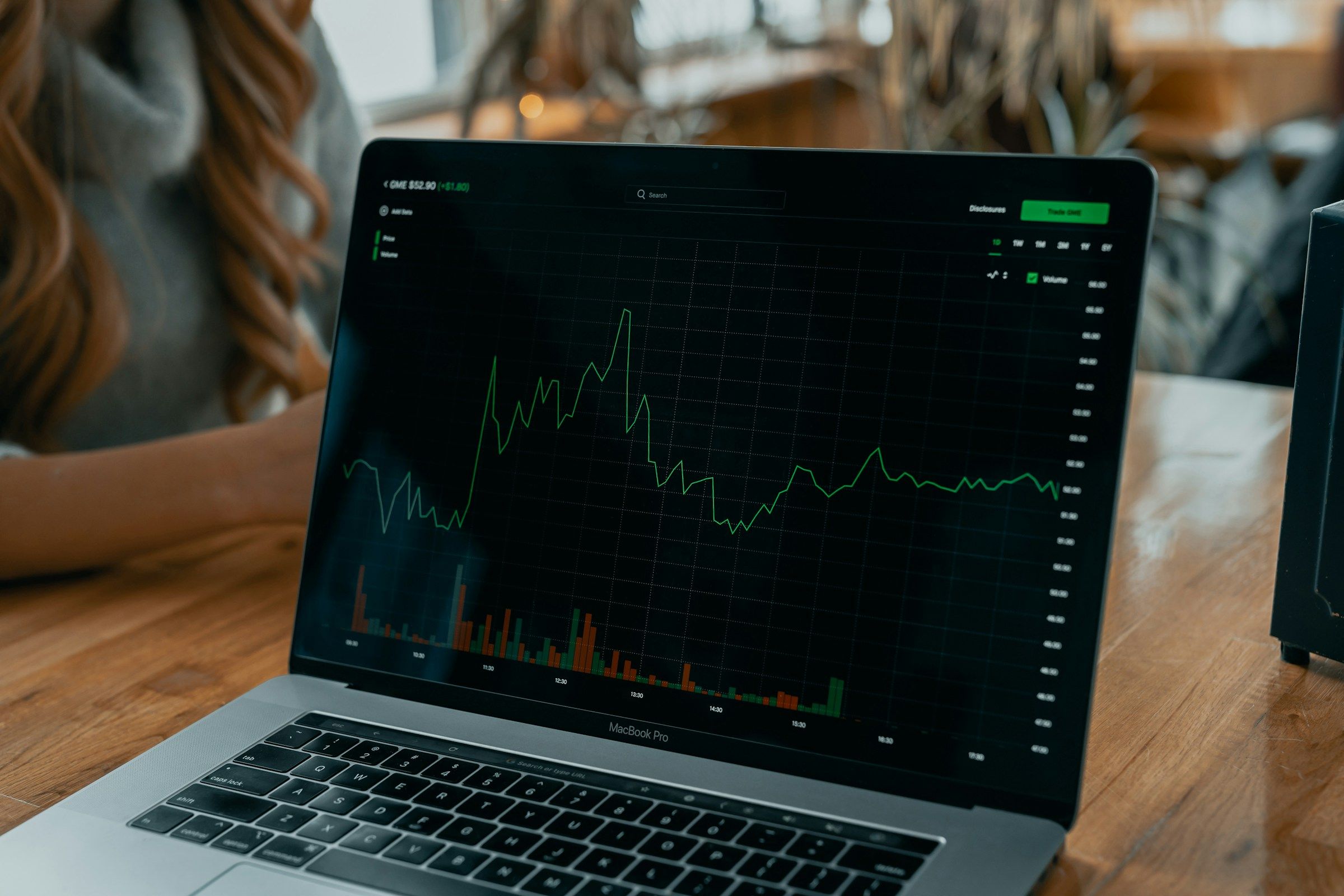
The crypto market moves fast, and basic buy-low, sell-high advice won't cut it when volatility swings in unexpected directions. Whether you're struggling with position sizing, missing optimal entry points, or watching profits evaporate during sudden reversals, mastering advanced techniques separates consistent traders from those who merely hope for the best. This article breaks down proven crypto trading tips that go beyond surface-level tactics, revealing strategies such as algorithmic pattern recognition, risk-adjusted portfolio rebalancing, and momentum-based indicators that actually hold up in rough markets.
Coincidence’s AI crypto trading bot handles the heavy lifting by monitoring multiple markets simultaneously, identifying opportunities based on technical analysis, and executing trades according to predefined parameters you set. Think of it as having a tireless trading partner that applies sophisticated strategies while you focus on refining your approach and managing overall portfolio direction.
Summary
- Momentum strategies assume assets moving strongly in one direction will continue trending, and crypto markets exhibit particularly pronounced momentum effects due to high retail participation and rapid sentiment shifts. Research by Narasimhan Jegadeesh and Sheridan Titman found that momentum effects have historically produced abnormal returns in equity markets over intermediate time horizons.
- Most traders fail to execute advanced strategies not because of flawed thinking but because they lack the technical capacity to translate ideas into executable systems. According to Tradeciety, 95% of all traders fail, largely because execution discipline collapses under the pressure of real money at risk.
- Testing strategies across multiple market regimes reveals whether an edge is durable or regime dependent. A momentum strategy that prints money during bull runs but gives back all gains during corrections doesn't have a sustainable edge. Professional traders segment historical data by market conditions to evaluate how strategies perform during strong uptrends, choppy sideways action, and sharp selloffs, paying attention to metrics such as maximum drawdown and return distribution rather than just total return.
- Indicator redundancy can create false confidence when multiple technical indicators measure the same market behavior using different formulas. Research from the European Scientific Journal shows that many widely used technical indicators are highly correlated with one another, suggesting significant redundancy in technical analysis.
- AI-powered analysis delivers a 50% reduction in time spent on data analysis according to Enverus EVOLVE 2025 Trading & Risk research, compressing what used to require days of manual backtesting work into minutes of automated processing.
Coincidence's AI crypto trading bot converts conversational strategy descriptions into automated systems that execute on live exchanges, handling the technical translation from plain English to structured code, backtesting against historical data, and deploying with non-custodial security while you maintain full control over funds.
Most Advanced Crypto Strategies Aren’t Actually Advanced

Most traders think a strategy becomes advanced when it uses more indicators. They stack RSI, MACD, Bollinger Bands, moving averages, and custom oscillators on a single chart, believing each layer adds insight. The assumption feels logical: if one indicator reveals momentum and another shows volatility, combining them should sharpen your edge.
When More Indicators Create Less Clarity
When multiple indicators rely on similar inputs, such as price momentum or moving averages, they produce overlapping signals. RSI and stochastic oscillators both measure momentum. MACD and exponential moving averages both track trend direction. You're not adding new information. You're measuring the same market behavior through different formulas.
Research in the European Scientific Journal shows that many widely used technical indicators are highly correlated, suggesting significant redundancy in technical analysis. Combining them often adds little predictive value. Instead of clarity, you get confirmation bias dressed up as sophistication.
The Signal vs. Noise Dilemma
Five indicators saying the same thing feel more convincing than one, but they're still just one signal wearing different masks. This creates what traders call indicator redundancy. Your chart looks professional. Your setup feels thorough. But you're making decisions based on repetitive data rather than diverse insights.
The Overfitting Trap
Another problem surfaces when traders adjust indicator settings to match historical price movements. You tweak the RSI period from 14 to 11. You shift the MACD from 12-26-9 to 10-22-7. You run backtests until the equity curve looks beautiful. The strategy appears to print money on past data. Then you deploy it in live markets, and it fails immediately.
The strategy wasn't built on durable market behavior. It was optimized for specific historical conditions that won't repeat. You've essentially taught your system to memorize answers to last year's test instead of understanding the underlying subject. When the market presents new questions, your over-optimized strategy has no idea how to respond.
Professional trading desks see this constantly. A strategy that worked perfectly in 2021's bull run collapses in 2022's volatility. The indicators didn't stop working. They were never working in a generalizable way to begin with.
What Sophistication Actually Looks Like
True advanced strategies focus less on the number of indicators and more on structural discipline. They start with a clear market hypothesis: "Momentum reversals after extended trends create asymmetric risk-reward opportunities." Then they build precise rules for:
- Entries
- Exits
- Position sizing
They test across different market conditions, not just favorable periods.
Structure Over Complexity
Sophistication comes from structure, not complexity. A strategy with three well-chosen indicators, rigorous risk controls, and consistent execution rules will outperform a setup with fifteen overlapping signals and no clear thesis. The difference isn't what you measure. It's whether you understand why you're measuring it and how those measurements translate into decisions.
Platforms like Coincidence AI let you describe these structured strategies in plain English without coding, then deploy them with built-in risk parameters. Instead of spending hours configuring redundant indicators, you focus on the logic that actually matters:
- Entry conditions
- Exit rules
- Position limits
The system handles execution while you maintain control over your funds through non-custodial architecture.
The False Confidence of Complexity
Indicator-heavy strategies create another subtle problem: they make you feel more prepared than you actually are. When your chart displays eight technical signals, you believe you've covered every angle. You've analyzed:
- Momentum
- Volatility
- Trend strength
- Volume
Surely nothing can surprise you now. But markets don't care how many indicators you're watching. They move in response to supply, demand, sentiment, and liquidity flows that no combination of lagging indicators can fully capture.
Your complex setup might catch some moves. It will also generate false signals, whipsaws, and late entries because you're reacting to mathematical transformations of price rather than anticipating actual market structure. Simplicity isn't laziness. It's clarity about what matters and what's just noise dressed up as analysis.
What Actually Makes a Crypto Trading Strategy Advanced
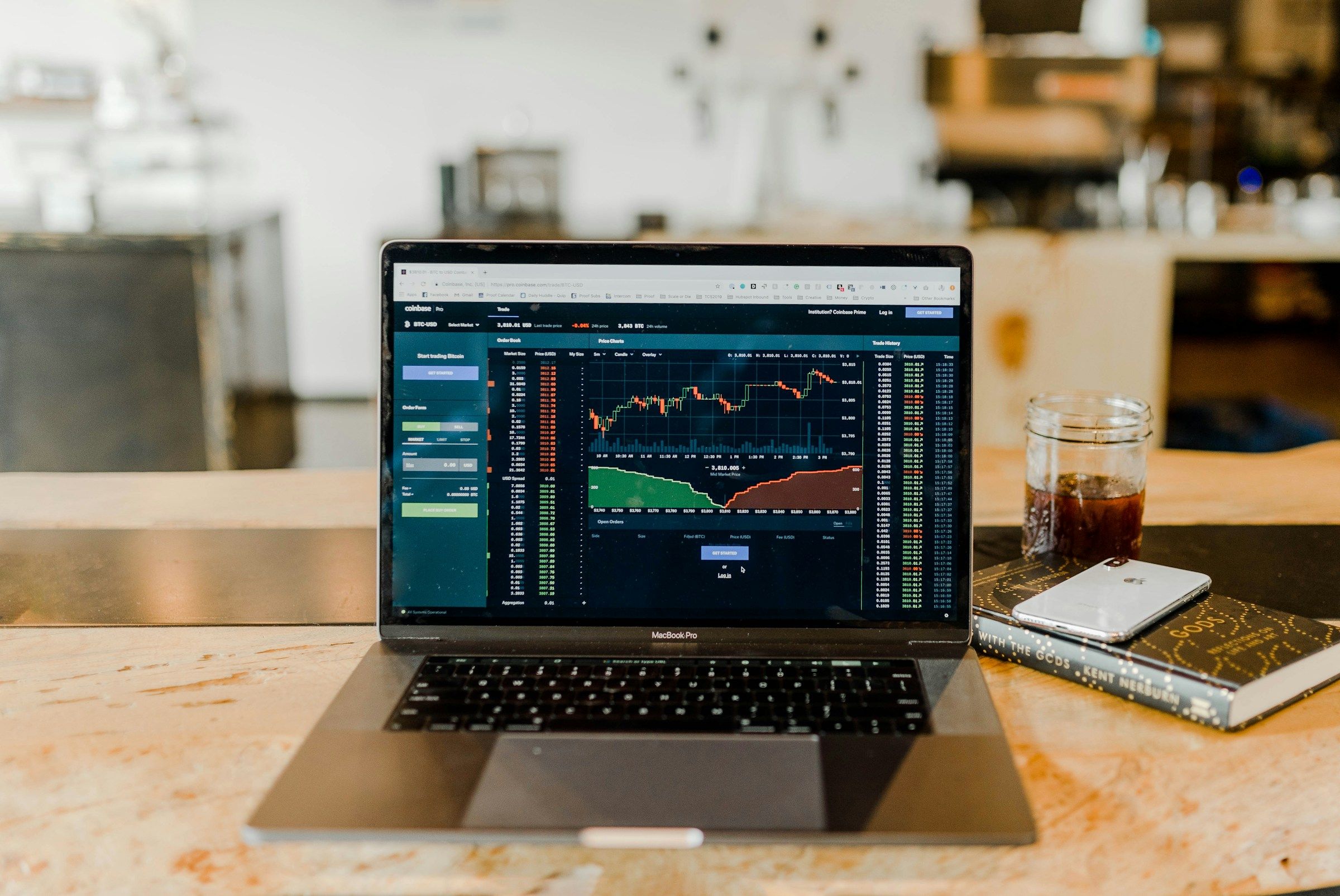
Professional trading desks define advanced strategies by structure, not spectacle. A strategy becomes advanced when it can be tested, repeated, and executed consistently across different market conditions. Without these elements, you're trading on intuition dressed up as analysis.
Most traders chase complexity because it feels safer. If a strategy looks sophisticated, it must be working harder for you. But professional strategies share three core elements that have nothing to do with how impressive your charts look.
Clear Market Hypothesis
Every strong strategy begins with a hypothesis about how markets behave. This isn't a vague belief that "momentum works" or "support levels matter." A hypothesis explains why the strategy should work based on observable trader behavior and market mechanics.
Structural Market Hypotheses
A momentum strategy might hypothesize that assets showing strong recent performance continue trending because institutional flows create self-reinforcing liquidity patterns. Other common hypotheses include:
- Mean reversion after extreme volatility spikes
- Price breakouts following consolidation periods when trapped positions unwind rapidly.
Without a clear hypothesis, you're collecting signals rather than building a coherent trading idea. When the strategy fails, you won't know whether the logic was flawed or the execution broke down. You'll just know you lost money.
The hypothesis forces you to articulate what you're actually betting on. Not just when you'll enter, but why that entry point represents an edge. This distinction separates traders who understand their strategy from those who follow patterns they can't explain.
Defined Entry and Exit Rules
Advanced strategies rely on precise rules for every decision. Not guidelines. Not preferences. Rules that specify when a position opens, when profits are taken, when losses are cut, and how position sizes are determined.
This structure removes emotional decision-making. You're not interpreting chart patterns in real time while your account balance fluctuates. You're executing predetermined logic that you tested when your judgment wasn't clouded by open positions.
It also makes the strategy testable. Every decision is made under explicit conditions rather than discretionary judgment. You can run the strategy through historical data and see exactly how it would have performed. You can identify which rules generated edges and which ones added noise.
The Role of Natural Language Strategy Descriptions in Risk Mitigation
Many traders blow up accounts despite understanding technical analysis. The issue isn't knowledge. It's poor handling of losses and overleveraging when emotions take over. Defined rules create a buffer between:
- Your feelings
- Your capital
The strategy executes based on logic you developed when you were thinking clearly, not reacting to a red candle that just wiped out yesterday's gains.
Platforms like Coincidence AI let you describe these structured strategies in plain English without coding. You articulate your entry conditions, exit rules, and position limits conversationally, and the system builds executable logic with built-in risk parameters. Instead of spending hours configuring complex scripts, you focus on the strategic decisions that actually matter while maintaining full control through non-custodial architecture.
Robust Testing
Advanced strategies get evaluated through disciplined testing before they touch live capital. Backtesting shows how a strategy would have performed historically. But robust testing goes further by checking performance across different market environments.
Crypto markets move through distinct regimes. Strong bull trends where momentum dominates. Sharp corrections where correlations spike, and everything drops together. Periods of low volatility when mean-reversion strategies thrive, and breakouts fail. A strategy that performs well only during one specific period won't survive when conditions shift.
Quantifying Strategic Resilience
Professional traders evaluate metrics beyond raw returns. Maximum drawdown tells you how much capital the strategy risked during its worst period. Return volatility indicates whether profits came steadily or through a few lucky trades. Performance across different market cycles reveals whether the edge holds up or only worked during favorable conditions.
The strategy that looked perfect in 2021's bull run might collapse in 2022's volatility. Not because the indicators stopped working. Because the market hypothesis only applied to one regime, and the testing never exposed that limitation.
Testing also reveals overfitting, where you've optimized settings to match historical data so precisely that the strategy memorizes past price movements instead of learning durable patterns. When new market conditions appear, the over-optimized strategy has no idea how to respond.
Related Reading
- Crypto Trading Tips
- Are Crypto Trading Bots Profitable
- What Is Long And Short In Crypto Trading
- What Is Swing Trading Crypto
- What Is Wash Trading Crypto
- Crypto Backtesting
- How Does Crypto Leverage Trading Work
- DCA Bot vs Grid Bot
- Forex Crypto Trading
- 30 Second Crypto Trading
3 Advanced Crypto Trading Strategies Traders Use

1. Momentum Strategies
Momentum strategies assume that assets moving strongly in one direction will continue to move in that direction for some time. This behavior appears across financial markets, but crypto exhibits particularly pronounced momentum effects due to high retail participation and rapid sentiment shifts.
Research by Narasimhan Jegadeesh and Sheridan Titman found that momentum effects have historically produced abnormal returns in equity markets over intermediate time horizons. Crypto amplifies this pattern. When Bitcoin breaks above a psychological level like $50,000, institutional flows and retail FOMO create self-reinforcing buying pressure that pushes prices higher before exhaustion sets in.
Strategic Role of Confirmation and Structural Support in Momentum Trading
Momentum traders look for specific signals:
- Price closing above recent highs
- Strong upward movement accompanied by volume expansion
- Sustained trends confirmed across multiple timeframes
When these conditions align, they enter positions expecting the trend to persist long enough to capture additional gains.
A 10% move in an hour might represent the start of a multi-day rally, or it could be a liquidity grab before reversal. Traders who chase every sharp move end up buying tops and selling bottoms. The ones who profit from momentum wait for confirmation that the move has structural support, not just speculative excitement.
2. Mean Reversion Strategies
Mean reversion operates on the opposite assumption: extreme price movements eventually return toward average levels. Crypto markets frequently overshoot during both rallies and selloffs, creating opportunities when prices extend beyond normal ranges. These strategies identify situations in which statistical measures suggest that price has moved unusually far from equilibrium. Tools include:
- Deviations from moving averages
- Volatility bands like Bollinger Bands
- Momentum exhaustion signals
When Bitcoin drops 15% in a single session with no fundamental news, mean-reversion traders look for signs that selling pressure has temporarily pushed the price below sustainable levels.
The goal is to capture the rebound as the price returns closer to its average. A trader might enter after a sharp drop when indicators signal oversold conditions and volume begins to decline, suggesting panic selling is exhausting itself.
The Precision of Counter-Trend Timing
Timing matters intensely. Enter too early during a genuine trend shift, and you're fighting momentum. Enter too late, and the rebound has already occurred. Professional mean reversion traders use tight risk controls because they're essentially betting against the current direction, which requires precision.
3. Breakout Strategies
Breakout strategies focus on capturing large moves when price breaks beyond key technical levels. Markets often consolidate within ranges before volatility expands. When price finally breaks above resistance or below support, that move frequently triggers additional buying or selling as trapped positions unwind and momentum traders pile in. Typical signals include:
- Price breaking above multi-week or multi-month highs
- Sudden volume increases
- Volatility expanding after compression
Crypto markets experience particularly sharp breakouts because liquidity can be thin at key levels. When a major resistance zone finally breaks, the lack of sell orders above that level allows the price to move rapidly.
The Cost of Range Expansion
The frustration with breakout strategies comes during consolidation periods. You're waiting for a clear signal while price chops sideways, generating false breakouts that repeatedly stop you out. According to CMC Markets, 56% of retail investor accounts lose money when trading CFDs with this provider, often because they lack the patience to wait for genuine breakouts and instead trade every minor range expansion.
The Integration of Automated Breakout Logic and Market Hypothesis Alignment
Platforms like Coincidence AI let you describe these breakout conditions in plain English without coding. You specify your breakout criteria, volume thresholds, and position limits in conversation, and the system executes when the conditions align. Instead of watching charts for hours waiting for a level to break, you define the logic once and let automation handle monitoring while maintaining full control through non-custodial architecture.
Each framework represents a distinct hypothesis about market behavior. Momentum assumes trends persist. Mean reversion assumes extremes are correct. Breakouts assume consolidation leads to expansion. None works in all conditions. The trader's job is to match the right framework to the current market structure, then execute with discipline when signals appear.
Related Reading
- What Is OTC Trading Crypto
- What Are Crypto Trading Signals
- Most Profitable Crypto Trading Strategy
- Best App For Crypto Day Trading
- Best Crypto Copy Trading Platform
- Best Crypto Trading Tools
- Crypto Futures Trading for Beginners
- Crypto Day Trading Strategies
- Best Crypto Trading Platform
- Best Crypto To Day Trade
Why Most Traders Fail to Execute Advanced Strategies
The gap between understanding a strategy and running it live isn't a matter of knowledge. It's infrastructure. Traders who can describe momentum setups or mean reversion logic often lack the technical capacity to translate those ideas into executable systems. The strategy does not die from flawed thinking but from the inability to build, test, and deploy it consistently.
The Translation Problem
Strategy ideas exist as mental models. You understand that buying after a 20% pullback during uptrends creates favorable risk-reward setups. You recognize that volume spikes near support levels signal institutional accumulation. These insights feel actionable until you try converting them into precise instructions a computer can follow.
Systematic trading requires explicit logic. Not "buy when momentum looks strong," but "enter long when 14-period RSI crosses above 50 while price trades above the 50-day moving average and volume exceeds 1.5x the 20-day average." Every condition needs a definition. Every parameter needs a number. Discretionary judgment, the thing that makes you feel like a trader, becomes the enemy of automation.
The Failure of Subjective Execution
Most traders watch charts, interpret signals subjectively, and convince themselves that discretion adds value. Sometimes it does. More often, it introduces emotional inconsistency, which destroys accounts. According to Tradeciety, 95% of all traders fail, largely because execution discipline collapses under the pressure of real money at risk.
The Infrastructure Barrier
Converting strategy logic into code is only the first technical hurdle. You still need historical price data to test whether your idea actually works. Not just recent candles, but years of tick data across multiple timeframes. That data needs cleaning because:
- Exchanges report trades differently
- Timestamps don't always align
- Gaps appear during low liquidity periods
Then comes backtesting infrastructure. You're essentially building a simulation engine that replays historical markets while:
- Tracking hypothetical positions
- Calculating slippage
- Accounting for fees
- Measuring drawdowns
The Technical Execution Gap
Professional quant teams employ engineers specifically for this workflow. Individual traders often lack the programming background to build reliable testing frameworks, so they skip rigorous validation entirely. After testing, you face deployment challenges. Connecting to exchange APIs requires handling:
- Authentication
- Rate limits
- Order types
- Error handling
A single bug in your execution logic can place orders at wrong prices or fail to exit losing positions. The technical surface area expands far beyond the original strategy idea.
The Limits of Informal Analysis
Many traders describe their approach clearly, but never move past informal chart analysis.
- They sketch rules.
- They identify patterns visually.
- They may manually test a few historical examples.
Without automated backtesting, they can't measure whether the edge exists or how large it might be. Without API integration, they can't execute consistently when signals fire during sleep hours or work meetings.
The Limitations of Manual Execution and the Risk of Emotional Interference
The familiar approach is manual execution because it requires no infrastructure. You watch charts, make decisions in real time, and adjust based on feel. As your strategy becomes more systematic and conditions multiply, this approach breaks down. You missed signals because you weren't watching.
You hesitate to make entries because the setup doesn't feel quite right, even though it meets all criteria. You exit early because a losing position triggers anxiety, violating your predefined stop loss logic.
The Shift From Technical Coding To Conversational Strategy Automation
Platforms like Coincidence AI let traders describe systematic strategies conversationally without writing code. You explain your entry conditions, exit rules, and position limits in plain English. The system:
- Builds executable logic
- Handles backtesting infrastructure
- Connects to exchanges through secure APIs while maintaining non-custodial architecture.
Instead of spending months learning to code and building testing frameworks, you focus on strategy logic while automation handles technical implementation.
The Discipline Illusion
Even traders who overcome technical barriers often fail at execution for a different reason. They believe they'll follow their strategy rules when real money is at stake. The strategy looks logical on paper. The backtest shows consistent returns. They feel confident they'll execute mechanically.
Then a position drops 5% in an hour, and the little voice starts. "Maybe this signal is different. Maybe I should exit early. Maybe the strategy doesn't work in this exact market condition." That voice becomes deafeningly loud when you're watching real-time profit and loss fluctuate.
The Emotional Discipline Collapse
After a great winning streak, traders aggressively scale their position sizes. When several trades go against them, they abandon stop losses and average down, hoping the price will recover. The systematic strategy they spent weeks developing gets discarded the moment emotions override logic. They're no longer executing the tested approach. They're gambling on hope, disguised as conviction.
The pattern repeats across thousands of traders. They understand strategy frameworks. They recognize when setups appear. They still can't execute consistently because knowing what to do and actually doing it under pressure are entirely different skills. The strategy isn't the problem. The gap between strategy and execution is where accounts die.
A Practical Process for Building Advanced Trading Strategies

Strategy development isn't a creative exercise. It's a structured workflow that moves from hypothesis to testable logic to validated execution. Traders who skip steps end up with ideas that sound reasonable but collapse under real market conditions. The process itself filters out concepts that only work in your imagination.
Start With a Falsifiable Hypothesis
Your strategy needs a specific claim about market behavior that can be proven wrong. Not "volatility creates opportunities" but "after Bitcoin drops more than 8% in four hours with volume below the 30-day average, price typically rebounds 3-5% within the next 12 hours as panic selling exhausts itself." That statement makes predictions you can test.
Mechanisms of Market Exploitation
The hypothesis should explain the market mechanism you're exploiting. Momentum strategies assume institutional flows create self-reinforcing price movement. Mean-reversion strategies assume that emotional traders overreact to news, pushing prices temporarily beyond sustainable levels.
Breakout strategies assume trapped positions create explosive moves when key levels finally break. Without this foundation, you're just curve-fitting indicators to past price action. When markets shift, you won't know whether your strategy stopped working or never had a real edge to begin with.
Convert Logic Into Precise Conditions
The translation from concept to executable rules immediately exposes vague thinking. "Buy when momentum strengthens" means nothing to a computer. "Enter long when 14-period RSI crosses above 50 while price trades above the 50-day moving average and 24-hour volume exceeds 1.5x the 20-day average" becomes testable.
Rules-Based Execution Framework
Every entry signal needs explicit criteria. Every exit needs defined conditions for both profit targets and stop losses. Position sizing requires rules that account for volatility and portfolio risk. The more discretion you leave in the strategy, the more your emotions will sabotage execution when real money is on the line.
This step reveals whether you actually understand your own strategy. Traders often discover their mental model contains contradictions or gaps they never noticed during informal chart analysis. Writing rules forces clarity.
Test Across Multiple Market Regimes
Backtesting shows whether your hypothesis produces the results you expect, but only if you test properly. Running your strategy on six months of bull market data proves nothing about how it handles:
- Corrections
- Consolidations
- Volatility spikes
Regime-Specific Performance Analysis
Professional traders segment historical data by market regime. How does the strategy perform:
- During strong uptrends?
- During choppy sideways action?
- During sharp selloffs?
A momentum strategy that prints money during bull runs but gives back all gains during corrections doesn't have a durable edge. It has a regime dependency you need to either accept or fix.
Pay attention to metrics beyond total return. Maximum drawdown tells you the worst peak-to-trough decline your strategy experienced. If your backtest shows a 40% drawdown, you need to decide whether you can psychologically handle that pain in live trading. Most traders can't, which means they'll abandon the strategy right before it recovers.
The Profitability Distribution Myth
Win rate matters less than traders think. A strategy with 35% win rate can be highly profitable if winners are much larger than losers. Conversely, a 70% win rate strategy that occasionally suffers catastrophic losses will eventually destroy your account. Look at the distribution of returns, not just the average.
Deploy With Monitoring Infrastructure
The strategy that looked perfect in backtesting will behave differently in live markets. Slippage eats into profits when you can't get filled at your exact target price. Liquidity conditions change, especially during volatile periods when spreads widen and order books thin out. Market structure shifts as new participants enter or regulations change.
Live Performance Drift Monitoring
You need systems that track whether live performance matches backtested expectations. If your strategy historically won 40% of trades but you're currently winning only 25%, something changed. Maybe volatility increased, and your stop losses are getting hit more frequently. Maybe the specific price patterns you exploited became crowded as other traders discovered the same edge.
The familiar approach is manual execution because it requires no infrastructure.
- You watch charts
- You make decisions in real time
- You adjust based on feel
The Breakdown of Manual Execution
As your strategy becomes more systematic and conditions multiply, this approach breaks down.
- You missed signals because you weren't watching.
- You hesitate to make entries because the setup doesn't feel quite right, even though it meets all criteria.
- You exit early because a losing position triggers anxiety, violating your predefined stop loss logic.
Platforms like Coincidence AI let you describe systematic strategies conversationally, then handle the testing and deployment infrastructure. You articulate your hypothesis and rules in plain English.
The system builds executable logic, runs backtests across historical data, and monitors live performance against expectations. Instead of building testing frameworks and API integrations, you focus on strategy logic, while automation handles the technical implementation through a non-custodial architecture.
Iterate Based on Evidence, Not Emotion
When a strategy underperforms, traders typically make one of two mistakes. They either abandon it immediately after a few losing trades or they refuse to acknowledge that something fundamental has changed and keep running it despite mounting losses.
The right response requires looking at data. Is the strategy performing within the statistical bounds you observed during backtesting? All strategies experience losing streaks. A momentum strategy that wins 45% of trades will sometimes lose seven trades in a row purely by chance. That's not a signal to panic.
Importance of Systematic Monitoring and Strategic Performance Analysis
But if performance diverges significantly from backtested expectations for an extended period, you need to investigate:
- Did market volatility shift outside the range your strategy was tested on?
- Did correlations change in ways that affect your entry signals?
- Did trading volumes decline, making your exit targets harder to hit?
Some strategies stop working because the edge gets arbitraged away as more traders discover it. Others fail because the market structure changed in ways that invalidate the original hypothesis. You can't tell the difference without systematic monitoring and analysis.
The process isn't glamorous. It's methodical, disciplined, and often tedious. But it's the only path from trading ideas to reliable execution. The real challenge isn't building the strategy. It's about maintaining the discipline to follow it when your account balance starts to move.
How Coincidence AI Turns Trading Ideas Into Live Strategies

The platform converts conversational descriptions of trading logic into automated systems that execute on live exchanges. Describe your entry conditions, exit rules, and risk parameters in plain English, and the system:
- Builds structured code
- Backtest it against historical data
- Deploys it with non-custodial security
You focus on strategy logic while the infrastructure handles technical implementation. This removes the translation barrier that stops most traders from testing their ideas systematically. You don't need to:
- Learn Python
- Configure API connections
- Build backtesting frameworks
The workflow compresses what traditionally required months of technical development into minutes of conversational input.
From Description to Executable Logic
Strategy ideas typically live as mental models. You understand that buying after sharp volatility spikes during established uptrends creates favorable setups. You recognize that volume expansion near resistance levels signals potential breakouts. These insights feel actionable until you try converting them into precise instructions.
Transformation of Natural Language Descriptions into Systematic Trading Logic
Coincidence AI handles that conversion through natural language processing. You describe your strategy the way you'd explain it to another trader: "Enter long when Bitcoin drops more than 5% in four hours while trading above the 50-day moving average, with volume below the 20-day average. Exit at 3% profit or 2% loss." The system translates that description into structured logic with defined entry triggers, position sizing rules, and exit conditions.
This approach eliminates the coding barrier without sacrificing precision. The strategy you described conversationally becomes testable, repeatable logic that can run across different market conditions. You're not sketching rough guidelines. You're building systematic rules that execute identically whether you're watching or sleeping.
Instant Backtesting on Historical Data
Once the strategy exists as structured logic, you need to know whether it actually works. Manual testing means scrolling through charts, identifying historical setups by eye, and tracking hypothetical performance in spreadsheets. That process takes hours and introduces subjective judgment into what should be an objective analysis.
The platform automatically runs your strategy against years of historical price data. You see exactly:
- How many trades would have triggered
- What the win rate looked like
- How large the drawdowns were
- Whether performance held across different market regimes
The Efficiency of AI-Powered Backtesting and Risk Mitigation
Enverus EVOLVE 2025 Trading & Risk research indicates AI-powered analysis delivers a 50% reduction in time spent on data analysis, compressing what used to require days of manual work into minutes of automated processing.
Backtesting reveals whether your hypothesis withstands contact with actual market behavior. A strategy that sounded logical might show a 30% win rate with average losses exceeding average wins. Or it might perform beautifully during bull runs but collapse during volatility spikes. You discover these problems before risking capital, not after your account balance drops 40%.
Deployment With Built-In Risk Controls
After validation comes execution. Traditional automated trading requires connecting to exchange APIs, handling authentication protocols, managing rate limits, and building error handling for failed orders or connection drops.
Most individual traders lack the technical background to deploy reliable automation, so they retreat to manual execution despite knowing it introduces emotional inconsistency.
Secure Execution and Control
The platform connects to exchanges such as Bybit and KuCoin via secure API integrations while maintaining a non-custodial architecture. Your funds never leave your exchange account. The system places orders based on your predefined rules, but you retain full control over capital. Position sizing limits, maximum drawdown thresholds, and stop loss rules execute automatically according to the parameters you specified during strategy creation.
This structure addresses the discipline problem that destroys most manual traders. When a position moves against you, the emotional urge to exit early or hold too long disappears. The strategy executes based on logic you developed when thinking clearly, not reacting to red candles. You're trading the system you tested, not the improvised version your fear creates in the moment.
Continuous Monitoring Without Manual Intervention
Live strategies run 24/7, scanning for setups and executing trades when conditions align. You're not watching charts during work meetings or waking up at 3 AM to catch Asian market volatility. The system continuously monitors price action, identifies signals based on your rules, and places orders at the exact thresholds you define.
Performance tracking shows whether live results match backtested expectations. If your strategy historically won 42% of trades but currently sits at 28%, you see that divergence immediately. Maybe market volatility shifted outside your tested range. Maybe the patterns you exploited became crowded as other traders discovered the same edge.
Automation doesn't eliminate thinking. It eliminates the tedious monitoring and emotional interference that prevent good strategies from being executed consistently. You still decide which strategies to run, how much capital to allocate, and when performance diverges enough to warrant investigation. The system handles the mechanical parts that humans do poorly under pressure.
Trade With Plain English With Our AI Crypto Trading Bot
If you already have a trading idea, the fastest way to evaluate it is to test it against real market data. With Coincidence AI, you can describe your strategy in plain English and instantly generate a backtest to see how it would have performed, then deploy it live to supported exchanges if the results meet your criteria.
Bridging the Technical Gap
The barrier isn't your understanding of markets. It's the technical translation layer between concept and execution. You know that buying after sharp drops during uptrends creates asymmetric setups. You recognize when volume patterns signal accumulation. That knowledge becomes actionable the moment you can express it conversationally and let automation handle the rest.
- No Python tutorials
- No API documentation
- No weeks building infrastructure before you can test a single idea.
The Value of Validation
Testing reveals whether your hypothesis survives contact with actual price behavior. A strategy that sounds logical might show losses clustering during specific volatility regimes you hadn't considered. Or it might perform exactly as expected, giving you confidence to deploy capital. Either outcome is valuable. The costly mistake is trading untested assumptions with real money because the testing process felt too technical to attempt.