

The Crypto market never sleeps, and neither does the fear of making the wrong trade at the wrong time. Whether you're watching Bitcoin swing wildly or trying to catch the next altcoin surge, the difference between profit and loss often comes down to having solid Crypto trading tips in your arsenal. This article breaks down the top Crypto trading tips that actually work for active traders, covering everything from risk management strategies to reading market signals and timing your entries and exits.
While knowledge is power, execution is where most traders struggle. That's where tools like Coincidence AI’s AI Crypto trading bot come into play, helping you apply these proven Crypto trading tips automatically and without emotion. Instead of staying glued to your screen 24/7 or second-guessing every decision, you can leverage smart automation to implement trading strategies, manage positions across multiple exchanges, and respond to market movements faster than manual trading allows.
Summary
- Most trading losses don't come from obviously bad ideas. They come from how traders act on tips once real money is involved. The same few mistakes recur, and they explain why even "good" tips fail in practice. The most common mistake is skipping validation entirely. Traders see a tip, try it live, and judge it based on a handful of outcomes. Without testing, traders can't answer basic questions, such as the expected drawdown.
- Research widely cited in the 2024 market analysis, including reports from CoinGecko, suggests that as many as 97% of retail Crypto traders lose money within their first three months. Whether the exact figure is 90% or 97%, the pattern is undeniable: tips aren't translating into sustainable results. Most tips fail because they're incomplete by design.
- According to trading statistics compiled by Obside, 90% of day traders lose money in their first year. Poor position sizing is a recurring factor. Even traders with decent win rates blow up because one oversized loss erases weeks of progress.
- Many tips work only under specific conditions, such as trends, ranges, high volatility, or strong momentum. Traders often apply them everywhere. A breakout strategy in a range-bound market, or a mean-reversion setup in a strong trend, will repeatedly fail, even if the idea itself is sound.
- Academic research by Brad Barber and Terrance Odean shows that discretionary traders underperform largely due to inconsistent decision-making and overconfidence. In Crypto, where volatility spikes faster and regime shifts happen overnight, opinions change mid-trade. Rules don't. The difference between knowing what to do and actually doing it is where most tips collapse.
Coincidence AI’s AI Crypto trading bot addresses this by allowing traders to describe strategies in plain English, then test them systematically before risking capital, and by enforcing rules consistently without emotional drift or mid-trade improvisation.
Why Most Crypto Trading Tips Don’t Work

Most Crypto trading tips fail because they're incomplete by design. They offer:
- Signals without structure
- Entries without exits
- Excitement without rules
A tip might tell you when to buy, but it won't tell you:
- How much to risk
- Where to cut losses
- What invalidates the idea
Without those pieces, even a good signal becomes a guess.
The Psychology of Retail Attrition
The statistics make this painfully clear. Research widely cited in the 2024 market analysis, including reports from CoinGecko, suggests that as many as 97% of retail Crypto traders lose money within their first three months. Whether the exact figure is 90% or 97%, the pattern is undeniable: tips aren't translating into sustainable results.
The Context Problem
When someone says “buy the dip,” they're skipping over everything that determines whether that advice works.
- Which timeframe are we talking about?
- What defines a dip in a bear market versus a bull market?
- What's the plan if the price continues to fall?
The tip sounds actionable, but it leaves the trader to fill in the blanks. Different traders will interpret it differently, execute it inconsistently, and blame themselves when it doesn't work. This isn't about intelligence. It's about structure. A tip without context can't be repeated. It can only be guessed at, adjusted in hindsight, and rationalized after the fact. That's not trading. That's hoping.
The Risk Management Gap
Most tips focus entirely on entries because that's the exciting part. They tell you what to watch, when to act, and why it looks promising.
But they rarely explain:
- How much capital to allocate
- Where to place a stop loss
- How to size a position relative to your account
In live trading, poor risk management can wipe out an account even if half your ideas are correct. One oversized loss erases ten small wins.
Systemic Risk Management vs. Signal Reliance
Traders who follow tips often discover this the hard way. The first few trades might feel manageable, but without clear risk limits, a single bad decision compounds into something worse. Position sizes grow based on confidence instead of math. Stops get moved or ignored entirely.
The tip didn't fail because the signal was wrong. It failed because there was no plan for what to do when it didn't work.
The Verification Problem
There's no way to know if a tip has ever worked consistently:
- Was it tested across different market conditions?
- Did it only perform well during a specific bull run?
- What was the maximum drawdown?
- What's the win rate and average return?
Most tips aren't backed by data because they were never tested. They're shared because:
- They sound convincing
- Looks good on a chart
- Worked once in a memorable way
The Architecture of a Trading System
This creates a cycle. A trader sees a tip, tries it, loses money, and moves on to the next tip. The problem isn't the trader's execution. The problem is that the tip was never a complete strategy to begin with. It was an idea that needed rules, testing, and risk controls before it could be deployed with real capital.
The Discipline of Rule-Based Trading
Platforms like Coincidence AI’s AI Crypto trading bot address this by allowing traders to describe strategies in plain English and then test them systematically before risking capital.
The bot:
- Applies the rules consistently
- Tracks performance across conditions
- Enforces risk limits automatically
It doesn't turn a bad idea into a good one, but it does reveal whether an idea holds up under real conditions.
The Execution Gap
Even when a tip includes some structure, executing it consistently is harder than it looks. Markets move fast. Emotions interfere. Discipline breaks down when a position moves against you or when FOMO kicks in during a rally. Many traders experience what the memecoin community calls “ape buying green candles,” impulsive execution without planning, driven by fear of missing out rather than strategy.
The Cognitive Science of Execution Failure
The gap between knowing what to do and actually doing it is where most tips collapse. A trader might understand the logic behind an idea but still hesitate at the entry, exit too early out of fear, or hold too long, hoping for a reversal. The tip didn't account for the psychological weight of real money on the line.
Until an idea is structured, testable, and grounded in risk management, it will continue to feel smart in theory and painful in practice. The question isn't whether tips can work. It's whether they were ever designed to do so.
Related Reading
- Are Crypto Trading Bots Profitable
- What Is Long And Short In Crypto Trading
- What Is Swing Trading Crypto
- What Is Wash Trading Crypto
- Crypto Backtesting
- How Does Crypto Leverage Trading Work
- DCA Bot vs Grid Bot
- Forex Crypto Trading
- 30 Second Crypto Trading
What Most People Mean by “Crypto Trading Tips”

When traders search for Crypto trading tips, they're looking for shortcuts to profitability. They want quick, actionable advice that promises an edge:
- Which coin to buy
- When to enter
- What indicator to watch
The appeal is immediate. The advice sounds confident. The execution feels simple.
The Indicator Fallacy and Market Context
But what arrives is rarely a complete strategy. It's a fragment. “Buy the dip” tells you what to do, but not when the dip is over. “Follow whale wallets” points you toward data but doesn't explain how to interpret conflicting signals. “Use RSI to spot oversold conditions” references a real tool but skips the context that determines whether oversold means opportunity or further collapse.
These tips circulate because they are perceived as useful. They reference observable market behavior. They sound like insider knowledge. The problem is that they stop exactly where real trading begins.
The Missing Pieces
A tip might tell you to watch for a breakout above resistance, but it won't specify the timeframe. Is this a five-minute chart setup or a weekly trend? The same price action looks completely different depending on the lens. In a short timeframe, a breakout might signal a scalp trade lasting minutes.
On a daily chart, it could indicate a multi-week position. Without clarity on the timeframe, the same signal can justify opposite actions.
The Mechanics of Precision Execution
Entry rules are usually vague or absent entirely. “Buy when RSI drops below 30” sounds precise, but RSI can stay below 30 for days in a strong downtrend.
- When exactly do you enter?
- At the first touch?
- After a bounce?
- What if the price keeps falling?
The tip doesn't say, so traders improvise. Some enter too early and watch losses mount. Others hesitate and miss the move entirely.
The Asymmetry of Exit Logic
Exit rules are even rarer. A tip might get you into a trade, but it won't tell you when to leave.
- Do you exit at a fixed percentage gain?
- When does RSI reverse?
- When momentum slows?
Without a defined exit, traders hold through reversals, hoping for recovery, or panic-sell at the worst possible moment. The lack of structure turns every position into a guessing game.
The Mathematics of Account Longevity
And almost universally, tips ignore position sizing:
- How much capital should you risk on this trade?
- What percentage of your account is at stake?
- If the trade fails, how much do you lose?
According to CMC Markets, 56% of retail investor accounts lose money when trading CFDs with this provider. Poor risk management is a primary driver of that statistic. Even a winning idea becomes dangerous when position sizes are arbitrary or emotional.
The Structure Problem
The critical reframe is this: a tip is not a strategy. It's an idea, sometimes a useful one, but incomplete by design. Ideas need rules before they can be executed consistently. They need risk controls before they can be deployed safely. They need testing before you can determine whether they work.
Traders who rely on tips often cycle through dozens of them, trying each one until it fails, then moving to the next. The assumption is that the tip was bad or the timing was wrong. The reality is that the tip was never structured enough to succeed. It lacked the components that separate a repeatable strategy from a one-time guess.
The Science of Algorithmic Backtesting
This is where automation starts to matter, not as a replacement for thinking but as a way to enforce structure.
Platforms like Coincidence AI let traders describe strategies in plain English, then execute them with:
- Consistent rules
- Defined risk limits
- Systematic testing
The bot doesn't make a bad idea good, but it does reveal whether an idea holds up when applied consistently across different conditions. It removes the improvisation that tips encourage and replaces it with repeatability.
The Interpretation Gap
Even when a tip includes some detail, interpretation varies wildly. “Buy when Bitcoin drops 10% from its high” sounds specific, but is that 10% from the all-time high, the recent swing high, or the daily open? Different traders will interpret it differently, execute at different prices, and achieve different outcomes. The tip didn't account for that ambiguity, so it can't be replicated.
Quantifying Strategy Validity through Backtesting
This is why backtesting matters. A strategy that works on paper might fail in live conditions because the rules weren't precise enough to execute the same way twice. Tips bypass this step entirely. They're shared based on anecdotes or recent success, not systematic validation. The trader is left to figure out the details, and when the trade fails, they blame execution rather than incomplete advice.
The 5 Pillars of Strategic Trading
Structured strategies remove interpretation. They define every variable:
- Timeframe
- Entry condition
- Exit rule
- Stop loss
- Position size
When those variables are clear, the strategy can be:
- Tested
- Adjusted
- Executed consistently
That's the difference between trading and hoping.
What Traders Actually Need
Trading success doesn't come from collecting better tips. It comes from turning ideas into systems that can be executed without emotion, noise, or second-guessing.
That requires structure:
- Clear rules
- Defined risk
- A process for validation
Most tips fail not because the underlying idea is wrong, but because they were never designed to be complete. They're conversation starters, not strategies. They point toward something worth exploring, but they don't provide the framework to explore it safely or systematically.
The Architecture of a Complete Trading Strategy
The real work begins after the tip. It's in defining the conditions, setting the limits, testing the logic, and enforcing the discipline to follow through when the trade moves against you. That's where most traders struggle, and where most tips leave them stranded.
So what does a complete strategy actually look like, and which elements separate useful advice from dangerous oversimplification?
The Crypto Trading Tips That Actually Matter

Rules matter more than predictions. The traders who survive don't find better signals. They operationalize ideas into:
- Testable frameworks
- Control position size before entries
- Enforce discipline when emotions push the other way
That's the separation line between those who last and those who cycle through accounts.
Below are the principles that actually:
- Change outcomes
- Backed by behavior
- Math
- What holds up under pressure
Trade Rules Beat Opinions (Because Markets Punish Ambiguity)
- An opinion sounds like: “RSI is oversold, this should bounce.”
- A rule sounds like: “Enter when RSI(14) crosses above 30 on the 4H chart after a higher low; exit at 2R or if RSI fails below 30.”
That difference determines whether you can repeat the trade. Academic research by Brad Barber and Terrance Odean (2000) shows that discretionary traders underperform largely due to inconsistent decision-making and overconfidence. In Crypto, where volatility spikes faster and regime shifts happen overnight, opinions change mid-trade. Rules don't.
Behavioral Finance and Rule-Based Discipline
Two traders spot the same “oversold” signal. One exits early after a small bounce because fear kicks in. The other follows predefined exits and captures the full mean-reversion move. Same idea, different outcome. Rules made the difference.
When you can't articulate the exact condition that triggers action, you're not trading a strategy. You're reacting to feelings dressed up as analysis. The moment you write down the rule, you expose whether it's specific enough to test or vague enough to justify anything.
Risk Management Matters More Than Entries (Math, Not Motivation)
Entries feel important because they're visible. Risk is important because it's deterministic.
If you risk 5% per trade, a short losing streak can end your account, regardless of how good your entries are. This is why professional frameworks prioritize loss control. Guidance summarized by the CFA Institute (2018) consistently shows that long-term performance is driven more by position sizing, drawdown control, and loss limits than by entry precision.
The Mathematics of Expectancy and Capital Preservation
- Strategy A: 40% win rate, average win 2.5× average loss, 1% risk per trade. Profitable over time.
- Strategy B: 60% win rate, average win equals average loss, 5% risk per trade. Account volatility spikes, ruin risk climbs.
Good entries didn't save Strategy B. Risk math did.
Many traders discover this after the damage is done. They chase a high win rate, land a few good trades, then take one oversized position that wipes out weeks of progress. The mistake wasn't the losing trade. It was the position size that turned a manageable loss into a catastrophic one.
Consistency Beats Prediction (Edges Emerge Over Samples, Not Trades)
Trying to predict each move is a losing game, especially in Crypto, where narratives shift weekly. Market commentary referencing CoinGecko analyses repeatedly highlights that most retail losses occur early, often within the first three months. A major contributor is strategy hopping: abandoning an approach after a handful of losses.
Edges don't appear trade-by-trade. They appear in distributions.
Statistical Significance and the Law of Large Numbers
A breakout strategy may lose six times in a row during choppy conditions, then make back all losses and more on one trend. Traders who predict or intervene mid-sample kill the expectancy. Traders who execute consistently realize it.
This is where most people break. After three losses, doubt creeps in. After five, they switch strategies. The problem isn't the strategy. It's the refusal to let the sample size play out. You can't evaluate a 40% win-rate strategy after 10 trades. You need fifty, a hundred, enough data to see if the math holds.
Systematic Enforcement and Regime-Specific Performance
Platforms like Coincidence AI’s AI Crypto trading bot address this by enforcing rules without emotion.
You describe:
- The strategy in plain English
- The bot applies it consistently across conditions
- You see whether the edge is real or regime-specific
It doesn't fix a bad idea, but it removes the improvisation that destroys good ones.
If You Can't Test It, You Can't Trust It (Because Untested Ideas Hide Tail Risk)
Backtesting isn't about proving a strategy will work. It's about revealing how it fails. Data providers and market researchers like Kaiko emphasize that untested strategies expose traders to:
- Unknown drawdowns
- Regime sensitivity
- False confidence
Many ideas “work” in bull markets and collapse elsewhere. The strategy tested only on 2021 data looks phenomenal. The same rules tested across 2018-2024 reveal deep drawdowns during range-bound markets. Without testing, the trader mistakes regime-specific luck for an edge.
Stress Testing and Robustness Analysis
Testing forces you to confront the conditions under which your strategy fails. It shows:
- Maximum drawdown
- Longest losing streak
- How performance shifts when volatility doubles
Those are the variables that determine whether you survive the next regime change or blow up trying to hold through it.
The Fallacy of Narrative-Driven Analysis
Most tips skip this step entirely. They're shared because they worked once, or looked good on a chart, or fit a narrative. That's not enough. You need to know what happens when the narrative flips, when volatility compresses, when correlation breaks down. Testing is the only way to determine outcomes before real money is at risk.
The Real Reframe
The Crypto trading tips that matter aren't tips at all. Their operating principles:
- Rules over opinions
- Risk over entries
- Consistency over prediction
- Testing overconfidence
Profitable traders don't collect advice. They build systems, study how those systems perform under different conditions, and execute them without improvisation. Everything else just sounds good on social media.
How to Turn Trading Tips Into Real Strategies
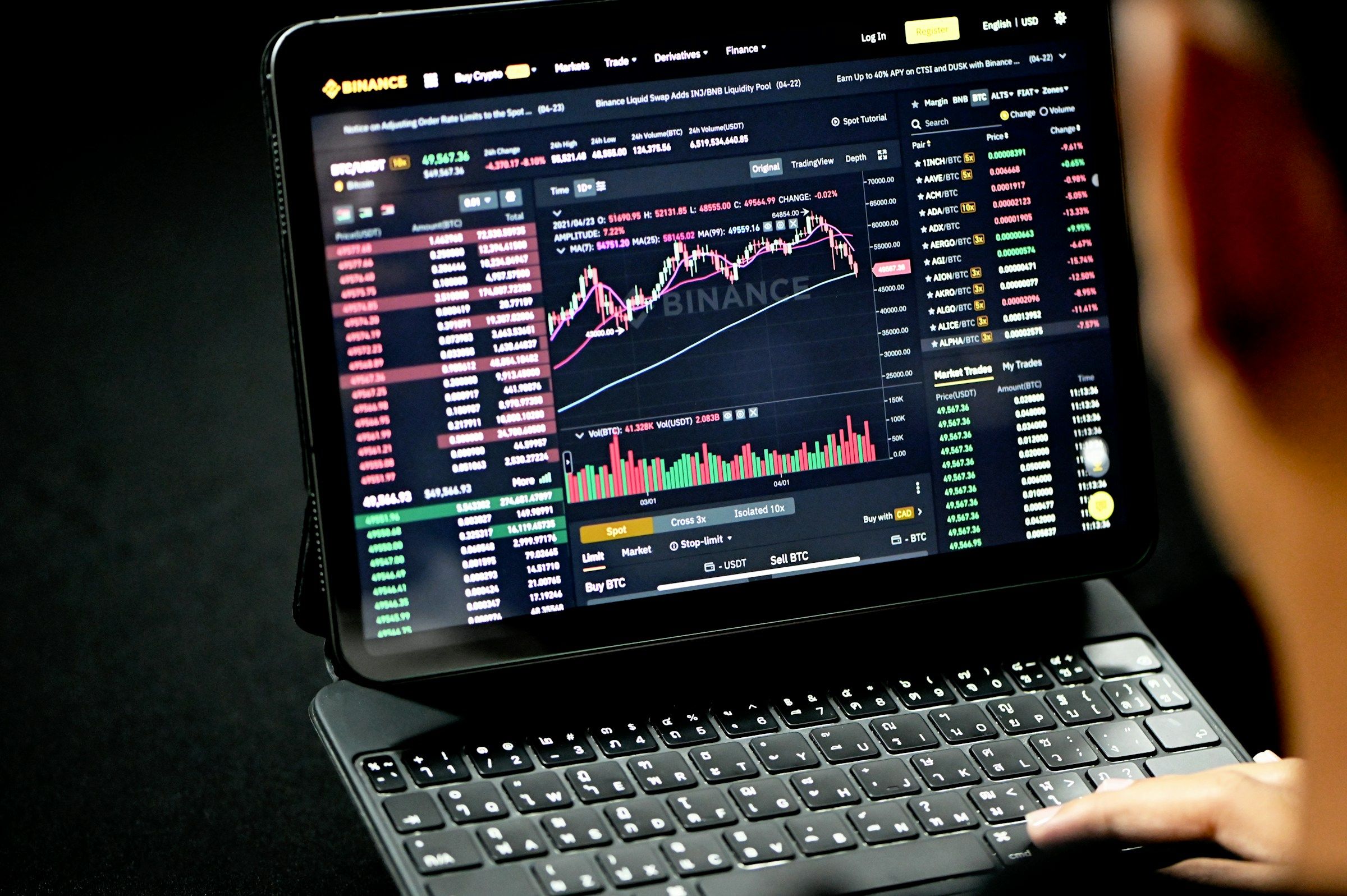
The difference between a tip and a strategy is structure. A tip gives you a direction. A strategy gives you a map, boundaries, and a way to measure whether you're lost. Most traders never make that translation.
- They collect ideas
- Execute them loosely
- Wonder why the results don't match expectations
The gap isn't intelligence. It's precision. Turning a tip into something you can actually use requires breaking it down into components that can be written, tested, and repeated without interpretation.
Write the Entry Condition So It Can't Be Misread
“Buy when momentum shifts” isn't an entry. It's a theme.
- Momentum is measured how?
- On what timeframe?
- Relative to what baseline?
Two traders reading that phrase will execute at different prices, on different charts, under different conditions. That's not a strategy. That's improvisation with a shared vocabulary.
Objective Pattern Recognition and Logical Encoding
An entry rule removes ambiguity. It specifies the exact condition that triggers action: RSI crosses above 30 on the 4-hour chart after price forms a higher low. Volume exceeds the 20-period average. Price breaks above the previous day's high, with confirmation from a green-candle close. These aren't better ideas. They're clearer ones.
Clarity allows testing. You can't backtest “buy the dip” because the definition varies by reader. You can backtest the rule “enter when price drops 8% from the 7-day high and RSI(14) falls below 35,” because it doesn't change based on mood or memory.
Define the Exit Before You Enter
Most traders think about exits after they're already holding a position. By then, emotion is involved. The trade is either winning and you're deciding whether to hold for more, or losing and you're hoping it reverses. Neither state produces good decisions.
Exits need to be decided when you have no position and no attachment. That's when you can think clearly about what invalidates the idea and where the trade no longer makes sense.
The Mechanics of Risk-Reward Geometry
Two exits matter:
- The stop loss: The stop answers: At what price is this idea wrong?
- The target: The target answers: Where does the reward justify the risk?
Both should be set before the trade opens. If you can't define them in advance, you don't have a strategy. You have a guess with consequences.
Traders often resist this because it feels restrictive. But restriction is the point. It removes the moment-by-moment negotiation that happens when price moves against you. The stop isn't there to punish you. It's there to protect the system from a single trade causing excessive damage.
Calculate Position Size Based on Loss, Not Potential Gain
This is where most tips collapse entirely. They focus on entries and ignore the math that determines whether you survive a losing streak.
Position size should be calculated backward from the acceptable loss. If you're willing to risk 1% of your account on a trade, and your stop is 5% away from entry, your position size is fixed by that relationship. It's not a guess. It's arithmetic.
The Conviction Bias and the Math of Survival
According to trading statistics compiled by Obside, 90% of day traders lose money in their first year. Poor position sizing is a recurring factor. Even traders with decent win rates blow up because one oversized loss erases weeks of progress.
The instinct is to size positions based on conviction. The problem is that conviction doesn't correlate with outcome. A trade you feel great about can still fail. If you risked 10% on that feeling, you've just damaged your ability to take the next ten trades. Risk management isn't about being cautious. It's about staying operational.
Specify When the Strategy Doesn't Apply
Every strategy has conditions where it stops working. Knowing when not to trade is as important as knowing when to enter.
- Does your strategy rely on volatility?
- Answer: Then it fails during low-volume consolidation.
- Does it depend on trending conditions?
- Answer: Then it loses money in choppy ranges.
- Does it assume liquidity?
- Answer: Then it breaks down during these thin overnight sessions or around major news events.
Identifying Market Regimes and the Value of ‘Patience Equity’
These aren't flaws. Their characteristics. The mistake is running the strategy in conditions it wasn't designed for. A breakout system applied during a tight range will generate false signals and small losses that add up. The strategy isn't broken. It's being used in the wrong environment.
Defining exclusion rules prevents overtrading. It gives you permission to sit out when conditions don't match your edge. Most traders feel pressure to be in a trade at all times. The best ones know when to do nothing.
Test the Rules Across Conditions You Didn't Cherry-Pick
Backtesting reveals whether a strategy works or just worked once. The difference matters.
Run the rules across different market regimes:
- Bull runs
- Bear markets
- Sideways chop.
Look at maximum drawdown. Count consecutive losses. Measure how long it takes to recover from the worst streak. These metrics indicate whether the strategy has an edge or simply benefited from favorable conditions.
Robustness Testing and the ‘Curve-Fitting’ Trap
Testing also exposes weaknesses you didn't anticipate. A rule that looks clean on a chart might trigger too often in live conditions, generating noise instead of a signal. A stop placement that seems reasonable might get hit repeatedly in volatile markets, even when the overall direction is correct. You won't know until you test it systematically.
Eliminating Style Drift through Algorithmic Consistency
Platforms like Coincidence AI’s AI Crypto trading bot let you describe strategies in plain English, then apply them consistently across historical data and live conditions.
The bot:
- Enforces your rules without drift
- Tracks performance across timeframes
- Surfaces the metrics that show whether the edge is real
It doesn't fix bad ideas, but it removes the inconsistency that makes good ideas look random.
The Real Work Happens After the Tip
A tip is a starting point. It points toward something worth exploring. But exploration requires structure. You need to translate the idea into rules that can be written, tested, and executed consistently. That process isn't glamorous. It doesn't fit in a tweet.
It requires:
- Writing down conditions
- Calculating risk
- Running tests
- Confronting results that might invalidate the original idea
Most traders skip this because it feels slow. But slow, structured work is what separates traders who last from those who cycle through accounts.
The Behavioral Gap and the Psychology of Self-Sabotage
The traders who survive don't have better tips. They have better systems. They know:
- What triggers a trade
- Where it stops
- How much do they risk
- When the strategy doesn't apply
Everything else is decoration. Even with clear rules, most traders still find ways to undermine their own strategies.
Related Reading
- What Is OTC Trading Crypto
- What Are Crypto Trading Signals
- Most Profitable Crypto Trading Strategy
- Best App For Crypto Day Trading
- Best Crypto to Day Trade
- Best Crypto Copy Trading Platform
- Best Crypto Trading Tools
- Crypto Futures Trading for Beginners
- Crypto Day Trading Strategies
- Best Crypto Trading Platform
- Advanced Crypto Trading Strategies
Common Mistakes Traders Make When Following Tips
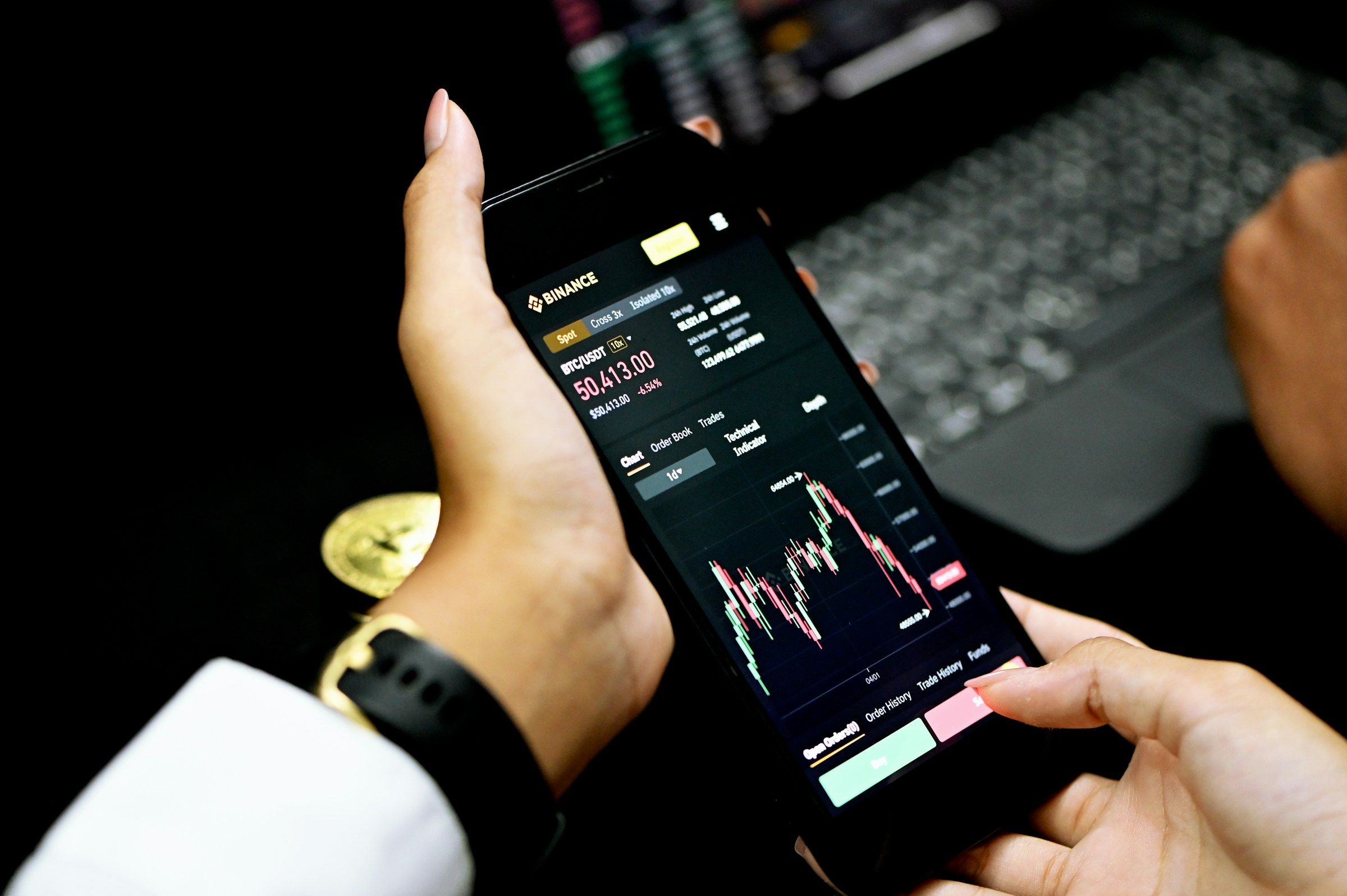
Most trading losses don't come from obviously bad ideas. They come from how traders act on tips once real money is involved. The same few mistakes recur, and they explain why even “good” tips fail in practice.
Trading Tips Live Without Testing
The most common mistake is skipping validation entirely. Traders see a tip, try it live, and judge it based on a handful of outcomes. A few wins create false confidence. A few losses trigger abandonment. Neither tells you whether the idea has an edge.
Without testing, traders can't answer basic questions, such as what the expected drawdown is:
- How often does this fail?
- Does it work across different market conditions?
Trading live without answers turns the market into the test and the account into the data.
Paper Trading vs. Live Market Friction
Many traders start with demo accounts, log a few successful trades, then assume they're ready for live execution. But demo success doesn't reveal how a strategy behaves during a liquidity crunch, a sudden news event, or a multi-week consolidation. The strategy hasn't been tested across regimes. It's been tried in one narrow window, then deployed everywhere.
The gap between knowing a strategy and executing it with discipline is where most traders break. The technical side can be learned in months. Emotional control under real risk takes years. Testing bridges that gap by revealing how you'll respond when the strategy hits its worst stretch, not just its average performance.
Overfitting Indicators Until They Look Perfect
Another trap is over-optimizing indicators after a tip seems promising. Traders tweak settings, add filters, and stack confirmations until the strategy looks flawless on recent charts.
The problem is that overfitting captures noise, not edge. A strategy tuned too closely to past price action often collapses when conditions shift. What looks like precision is usually fragility. Indicators aren't the issue. Excessive tailoring without robustness testing is.
The Degrees of Freedom and Strategy Robustness
A trader might adjust the RSI from 14 periods to 11, add a MACD filter, and require volume confirmation above the 18-period average. Each tweak improves the backtest on last quarter's data. But the strategy now has six variables optimized for one specific environment. When volatility changes or correlations shift, the entire structure breaks down.
The assumption is that more filters improve accuracy. In reality, they narrow the conditions where the strategy applies, turning a repeatable edge into a regime-specific gamble. The strategy didn't get better. It got more brittle.
Ignoring Market Regime
Many tips work only under specific conditions, such as:
- Trends
- Ranges
- High volatility
- Strong momentum
Traders often apply them everywhere. A breakout strategy in a range-bound market, or a mean-reversion setup in a strong trend, will repeatedly fail, even if the idea itself is sound. When the market regime is ignored, traders blame the tip instead of the mismatch.
Market Cycles and the Psychology of Strategy Abandonment
Strategies don't fail randomly. They fail when used outside the environment for which they were designed.
This is why traders often describe “strategies that used to work” but suddenly stopped. The strategy didn't change. The regime did. A momentum-based approach that thrived during a bull run generates false signals during low-volatility consolidation. The trader keeps executing, losses accumulate, and they abandon the strategy right before conditions shift back in their favor.
Statistical Edge Calibration and Volatility Filtering
Regime awareness isn't about predicting the market. It's about recognizing when your strategy's assumptions no longer match reality.
- Does your edge depend on trending conditions?
- Answer: Then you need a way to identify when trends break down.
- Does it rely on volatility expansion?
- Answer: Then you need to step aside when volatility compresses. Without that filter, you're trading blind.
Changing Rules Mid-Trade
Perhaps the most damaging mistake is abandoning rules once a trade is live.
Stops are widened. Targets are moved. Entries are rationalized after the fact. The trade stops being a system and becomes a negotiation with emotion. Once rules change mid-trade, results become meaningless. You can't evaluate performance, learn from outcomes, or improve execution because you're no longer trading the strategy you think you are.
Decision Fatigue and Heuristic Drift
Traders who struggle with emotional control often describe revenge trading after a loss, or “ape buying green candles” during FOMO-driven rallies. Both reflect the same failure: the plan dissolves under pressure, replaced by impulse dressed up as conviction.
The instinct is to adjust when a trade moves against you. The stop feels too close. The target feels too conservative. Price is “obviously” about to reverse. But those adjustments aren't based on new information. They're based on discomfort. The rule didn't fail. The discipline did.
Deterministic Execution and the ‘Agency Problem’ in Self-Trading
Platforms like Coincidence AI's AI Crypto trading bot enforce rules without drift. You describe the strategy in plain English, and the bot executes it exactly as written, every time, regardless of how uncomfortable the position feels. It doesn't prevent bad strategies, but it removes the improvisation that turns testable ideas into random outcomes.
The Real Takeaway
Most losses don't come from bad ideas. They come from untested execution and undisciplined follow-through.
Tips feel like shortcuts. In reality, they demand more structure, not less. Without testing, regime awareness, and rule discipline, even solid ideas break down while traders assume the problem is the market, not the process.
How Coincidence AI Turns Crypto Trading Tips Into Live Strategies
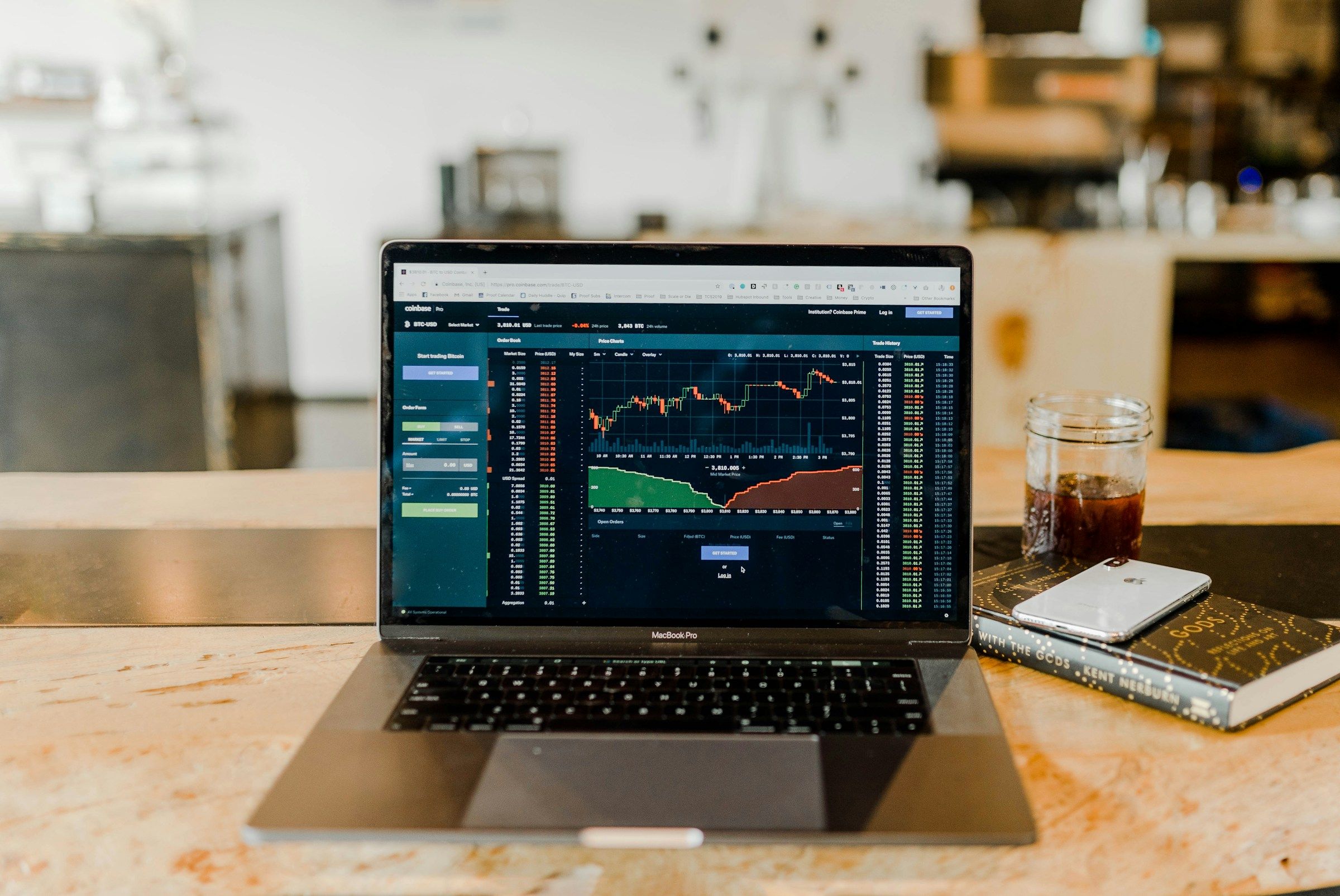
Most platforms stop at education or signals. Coincidence AI is built for the step most traders never complete: turning a trading idea into something you can test, validate, and deploy live without writing code.
Coincidence AI doesn't give you tips. It gives you a way to prove whether a tip deserves real capital.
From Vague Ideas to Exact Trading Rules
Tips arrive incomplete.
- “Buy breakouts”
- “Trade RSI divergences”
- “Follow whale momentum.”
They hint at an edge but leave out the rules that actually determine outcomes.
Semantic Logic and the Reduction of ‘Implementation Risk’
With Coincidence AI, you describe exact trading logic in plain English:
- When to enter
- When to exit
- How much to risk
- When not to trade
The platform translates that description into a fully defined strategy, removing ambiguity and guesswork. You're not coding. You're clarifying your meaning so the system can execute it consistently.
Deterministic Parameterization and the Science of Repeatability
The difference shows up immediately. Instead of interpreting “buy the dip” differently each time, you define:
- What constitutes a dip (8% drop from 7-day high)
- What confirms entry (RSI below 35)
- What invalidates the setup (volume below 20-period average)
The strategy becomes repeatable because the rules are explicit.
From Opinions to Evidence With Instant Backtesting
Most traders run ideas live and hope for the best. A few wins feel like confirmation. A few losses feel like failure. Neither is evidence.
Coincidence AI lets you backtest instantly on real historical market data, so you can:
- See the win rate
- Drawdowns, expectancy
- Performance across different market conditions
Instead of trusting confidence or hindsight, you get data before risking capital. This step reveals what tips hide. A breakout strategy might show a 45% win rate with strong returns during trending markets but deep drawdowns during consolidation. That's not a bad strategy. It's a regime-specific one. You wouldn't know that from three live trades. You need the full distribution.
Microstructure Friction and the ‘Signal-to-Noise’ Ratio
Testing also surfaces execution realities that tips ignore.
- Does the strategy trigger too often, generating noise instead of a signal?
- Does it require liquidity that isn't available during your trading hours?
- Do stops get hit repeatedly even when the overall direction is correct?
These questions get answered before you lose money finding out.
From Manual Execution to Live Automation Without Coding
Even traders with solid ideas often execute manually because automation feels too technical. They know what they want to do but can't translate it into code, APIs, or scripts.
Once a strategy is tested, Coincidence AI lets you deploy it live to exchanges such as Bybit and KuCoin.
- No scripts
- No APIs to manage
- No engineering required
Your strategy trades exactly as defined, without emotional overrides or mid-trade rule changes.
API Security and the Mitigation of Counterparty Risk
The platform operates non-custodially. Your funds remain on the exchange and remain under your control. The bot executes trades based on your rules, but you maintain custody.
This addresses the security concern that stops many traders from automating: you're not handing capital to a third party. You're automating execution while keeping control of assets.
Cybernetic Control Systems and Risk Governance
Automation enforces discipline that manual trading can't sustain.
- When a stop is hit, the position closes.
- When entry conditions aren't met, the system waits.
- When risk limits are reached, trading pauses.
The rules apply consistently, regardless of market sentiment or social media sentiment.
The Reframe
Coincidence AI doesn't try to make you a better guesser. It helps you become a better decision-maker.
- Instead of chasing tips, you test them.
- Instead of trusting opinions, you measure outcomes.
- Instead of trading ideas manually, you deploy systems.
The platform bridges the gap between having a trading idea and knowing whether it works, then executing it without the drift that turns testable strategies into random outcomes. The traders who survive don't have better tips. They have better processes.
They:
- Turn ideas into rules
- Rules into tests
- Tests into automated execution
Related Reading
- Best Crypto Prop Trading Firms
- Best Crypto Leverage Trading Platform USA
- Best Crypto Options Trading Platform
- Best Crypto Paper Trading
- Best Crypto Trading Simulator
- Coinrule Alternative
- Cryptohopper vs 3Commas
- HaasOnline vs 3Commas
Trade with Plain English with our AI Crypto Trading Bot
If you're tired of guessing and want to turn Crypto trading tips into strategies you can actually test and trade, try Coincidence AI and build your first strategy in plain English, no code required.
Describe:
- What you want to happen
- When you want it to happen
- How much are you willing to risk
The platform handles translation, testing, and execution, while you retain full control of your funds on the exchange.
The Architecture of Systematic Consistency
The gap between having an idea and knowing if it works isn't technical anymore. It's about whether you're willing to:
- Write down the rules
- Test them honestly
- Let the system enforce them without negotiation
Most traders never cross that line. They keep trading manually, adjusting mid-position, and wondering why consistency feels impossible. The ones who survive stop improvising and start systematizing. That's the difference.