
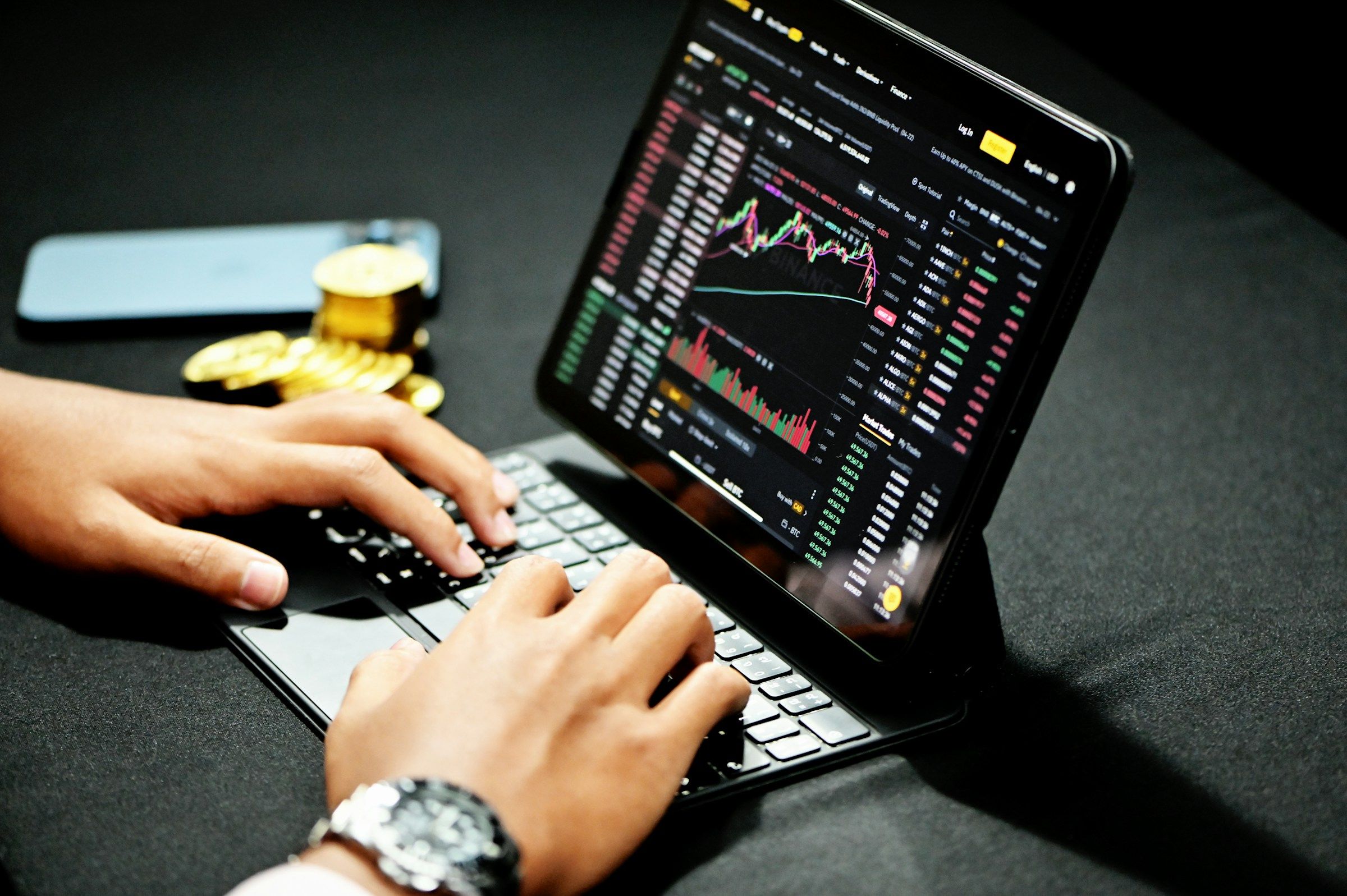
The difference between a profitable day and a costly mistake in cryptocurrency markets often comes down to choosing the right assets at the right time. When volatility spikes and trading volumes surge, knowing which coins offer the best opportunities becomes essential for anyone serious about making consistent gains. This guide cuts through the noise to help you identify the best crypto to day trade, focusing on high-liquidity coins, price movement patterns, and the specific characteristics that make certain digital assets ideal for short-term trading strategies.
While mastering crypto trading tips and understanding market indicators takes time, the right tools can accelerate your learning curve and help you act on opportunities faster. Coincidence AI's AI crypto trading bot analyzes real-time market data across multiple exchanges, identifying coins with optimal volatility and liquidity for day trading. Instead of manually tracking dozens of potential trades or missing crucial entry points while you sleep, the bot monitors price action continuously and executes strategies based on the exact criteria that separate winning trades from losing ones.
Summary
- Low liquidity creates more damage than most traders recognize. Research from the Bank for International Settlements found that in thin markets, even modest-sized trades can generate price impacts exceeding 2%, turning theoretical profits into realized losses before fees are taken into account. Wide bid-ask spreads on thinly traded altcoins can stretch to 0.5% or more, meaning you pay that cost twice per round trip and need the market to move significantly just to break even.
- Bitcoin processes tens of billions of dollars in daily spot volume across major exchanges, while Bitcoin perpetual futures alone have exceeded $50 billion in daily volume during active periods, according to CoinGecko data. This institutional-grade liquidity means orders fill at the prices you see rather than slipping away during execution.
- Most cryptocurrencies remain strongly correlated with Bitcoin, particularly during periods of stress or major macro developments. According to Equity Armor Investments, 60% of the S&P 500 is now composed of just seven mega-cap tech stocks, a concentration that mirrors Bitcoin's dominance of the crypto market. This means apparent opportunities in smaller assets may simply reflect broader market shifts rather than independent trends, causing traders to misinterpret volatility as asset-specific opportunity when it is actually systemic movement.
- Academic research reveals that 95% of day traders lose money, often because they lack systematic approaches that can withstand emotional pressure during drawdowns. A University of California study found that only 1% of day traders can consistently and reliably earn positive abnormal returns net of fees. The deeper problem is that discretionary trading introduces variability due to fatigue, emotion, distractions, and hesitation, leading to missed entries, premature exits, or impulsive decisions even when traders follow sound frameworks.
- Professional traders rely on strategies validated by historical data rather than gut feeling, using backtested rules that specify exact conditions for entry, exit, stop placement, and position sizing. According to Enverus EVOLVE 2025 Trading & Risk session, AI-driven tools have achieved a 50% reduction in time spent on data analysis, compressing what once took hours of manual calculation into minutes of automated validation.
AI crypto trading bot addresses this by converting plain-language strategy descriptions into executable systems that run continuously across exchanges, enforcing rule-based execution without the emotional interference and selective application that erode results in manual trading.
Most Traders Pick the Wrong Coins and Pay for it
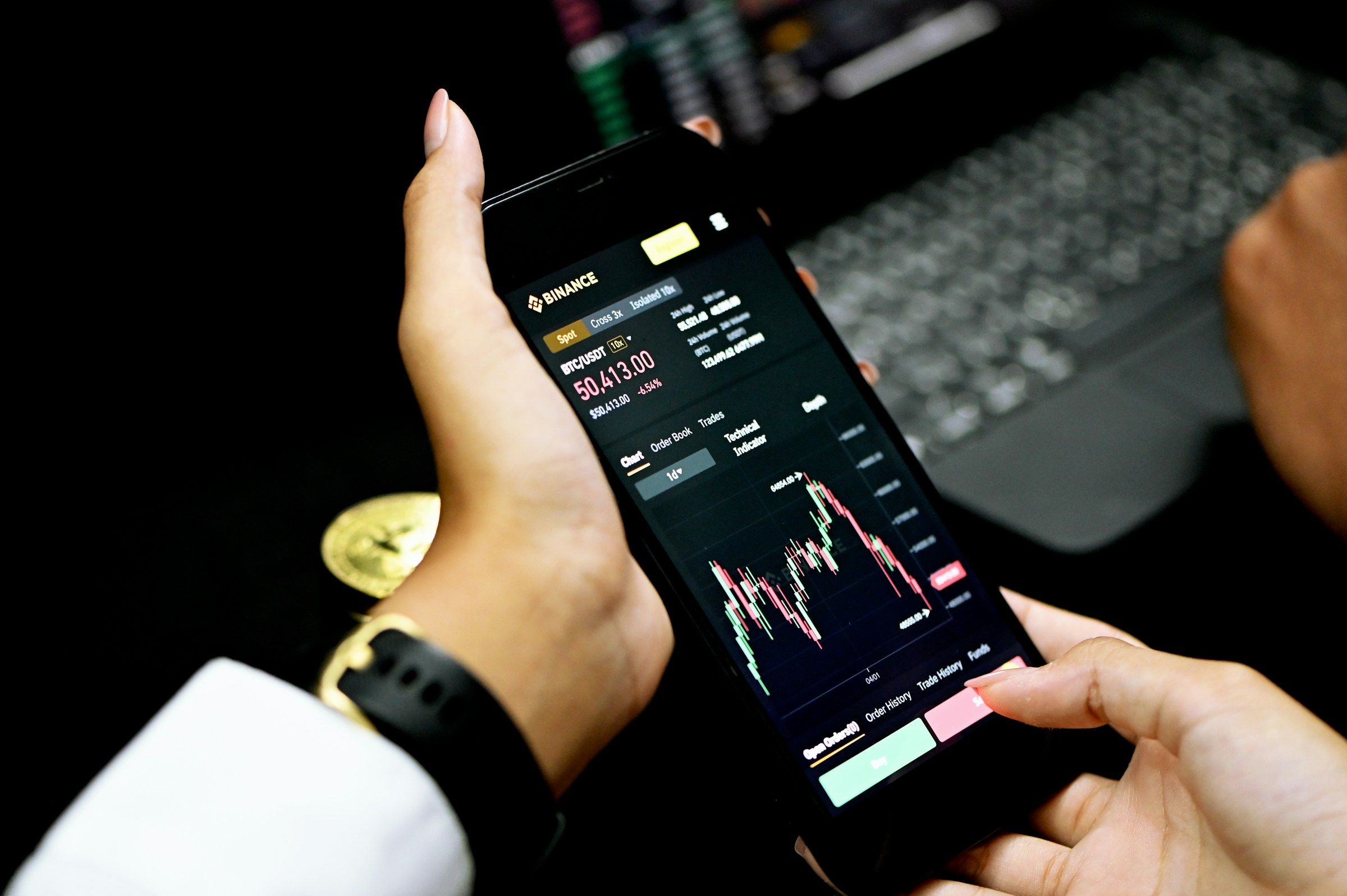
Choosing coins based on social media hype or "top gainers" lists is one of the fastest ways to lose money day trading. By the time a token trends publicly, early movers are often already exiting. What looks like an opportunity is frequently a trap set by timing, not potential.
Calculating Your True Entry: Order Books and Spread Analysis
The real damage comes from ignoring tradability. A coin can spike 50% in an hour and still be impossible to profit from if you can't get in or out cleanly. Low liquidity means your own orders move the price against you. You buy, and the price drops before you finish filling. You sell, and slippage eats your gains.
Research from the Bank for International Settlements found that in thin markets, even modest-sized trades can generate price impacts exceeding 2%, turning theoretical profits into realized losses before fees are taken into account.
Why Liquidity Matters More Than Price Movement
Small-cap tokens attract attention because their percentage moves look dramatic. A $0.0003 coin jumping to $0.0009 feels exciting. But excitement doesn't pay for execution costs. Thin order books mean wide spreads between bid and ask prices.
You start each trade at a disadvantage, paying more to enter and receiving less to exit than the chart suggests. Add exchange fees, and a 10% move might net you 2% after costs, if you're lucky.
Identifying Wash Trading and Fake Volume Signals
Manipulation risk compounds the problem. Without deep participation, a handful of large holders can orchestrate pump-and-dump schemes. Prices spike on coordinated buying, then collapse just as fast. Stop losses trigger at the worst possible moments.
Technical patterns that work in liquid markets become unreliable when a few wallets control the action. You're not trading market sentiment anymore. You're trading someone else's exit strategy.
The Volatility Misconception
Volatility alone doesn't create tradable opportunities. Chaotic movement driven by rumors or low-volume bursts rarely follows through. What appears as momentum is often noise.
Professional traders distinguish between structured volatility, where price action reflects genuine shifts in supply and demand within stable market conditions, and random spikes that lack continuation. The former offers entry and exit points you can anticipate. The latter punishes anyone who mistakes motion for direction.
Why Cheap Doesn’t Mean Early
Most traders believe cheaper coins move more, so they must be better for day trading. Price per coin is irrelevant. A $50,000 Bitcoin moving 3% in a day represents far more capital flow and tradable opportunity than a $0.01 token spiking 30% on $10,000 in volume.
The Bitcoin trade executes cleanly. The micro-cap trade might not fill at all, or worse, fills at prices that immediately reverse.
Latency and Execution Tools: The Hidden Costs of Day Trading
What separates profitable day trading from gambling is the predictability of execution. You need markets where your orders don't move prices, where spreads stay tight under pressure, and where technical patterns reflect actual participant behavior rather than a few wallets gaming the system. Highly traded assets with consistent volume and deep order books provide this. The percentage moves may look smaller, but your ability to capture them efficiently makes all the difference.
The coins that scream for attention are rarely the ones that pay. The best opportunities trade quietly, with enough depth that your presence doesn't distort the market. That's where real edge lives, in markets structured for execution rather than spectacle.
What Makes a Crypto Ideal for Day Trading
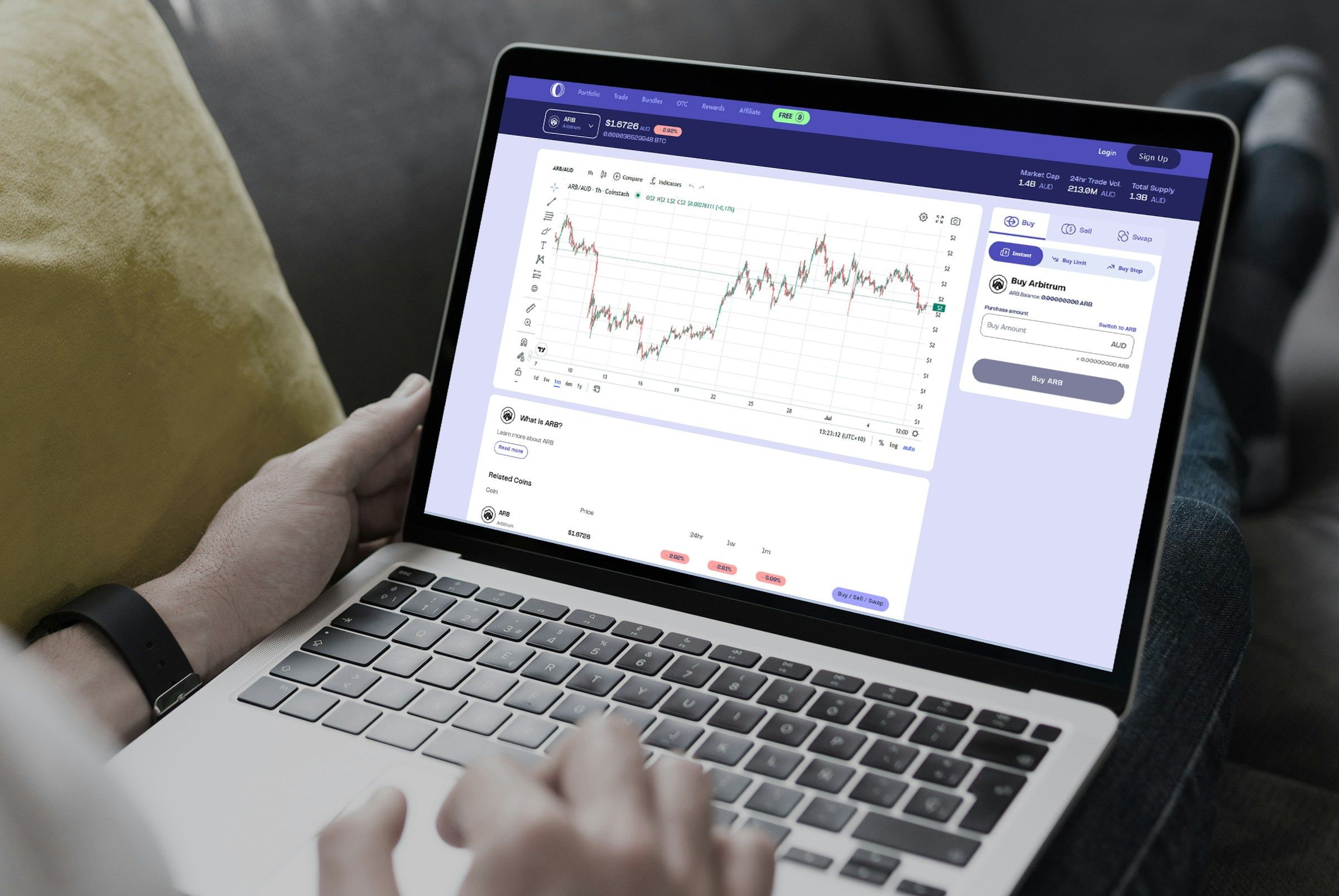
A crypto becomes ideal for day trading when it combines deep liquidity, tight spreads, and predictable volatility. These aren't abstract preferences. They're measurable conditions that determine whether you can execute a strategy profitably or watch costs erode every edge you identify.
The difference between a tradable asset and a volatile gamble comes down to market structure, not price action alone.
High Daily Trading Volume Creates Execution Certainty
Volume isn't just a number on a dashboard. It represents how many participants are actively buying and selling at any moment, which directly affects your ability to enter and exit positions without moving the price against yourself.
Bitcoin regularly processes tens of billions of dollars in spot volume daily across major exchanges. Ethereum follows closely. This scale means your orders fill at the prices you see, not at levels that slip away as you click.
How to Use Order Flow to Minimize Market Impact
Thin markets punish you twice. First, your buy order pushes the price higher as you accumulate. Then, when you sell, the price drops before you finish exiting. The chart shows a 5% gain, but your actual profit comes in closer to 2% after slippage eats into the difference.
High-volume assets absorb your orders without batting an eye. That's not a luxury. It's the foundation of repeatable execution.
Spreads Determine Whether You Start Each Trade at a Loss
The bid-ask spread is the gap between the highest price a buyer will pay and the lowest price a seller will accept. On liquid pairs like BTC/USDT or ETH/USDT, this spread is often below 0.01% under normal conditions. On thinly traded altcoins, it can stretch to 0.5% or more. You pay that cost twice per round trip, once entering and once exiting, before exchange fees or slippage are taken into account.
Traders executing multiple setups per day feel this immediately. A 0.5% spread means you need the market to move 1% in your direction just to break even after two trades. Add fees, and you're starting from a 1.5% deficit. Tight spreads don't guarantee profit, but wide spreads guarantee friction. Every basis point you save on the spread compounds across dozens of trades per week.
Volatility Needs Structure, Not Chaos
Day trading requires movement, but not all movement is useful. Bitcoin's annualized volatility typically ranges between 60% and 80%, far exceeding traditional equities while maintaining enough order for technical patterns to hold. This kind of volatility reflects genuine shifts in supply and demand across a broad base of participants. It's tradable because it follows through.
Using Heatmaps to Identify Magnetic Zones
Contrast that with a micro-cap token spiking 30% on rumor-driven volume, then collapsing within an hour. The percentage looks appealing until you realize the move happened on $50,000 in total volume, spread across fragmented exchanges. Your stop loss triggers on a random wick caused by a single whale's exit. That's not volatility. It's noise dressed up as opportunity.
High-beta majors like Solana offer larger intraday swings while retaining the liquidity needed to execute cleanly. Volatility serves you because market depth lets you capture it. Without that depth, big moves become spectator events, not tradable setups.
Derivatives Markets Signal Institutional Participation
Robust futures and options activity doesn't just provide leverage. It improves price discovery and stabilizes spot markets through arbitrage. Bitcoin perpetual futures alone have exceeded $50 billion in daily volume during active periods, according to CoinGecko data. This two-sided flow tightens spreads and creates continuous liquidity at multiple price levels.
Using Funding Rates and Open Interest to Gauge Market Health
Institutional traders, hedge funds, and algorithmic market makers operate across spot and derivatives simultaneously.
Their presence means:
- You're trading in a market where pricing inefficiencies get corrected quickly
- Where order books stay populated even during volatile moves
- Where liquidity doesn't evaporate when you need it most
Assets without strong participation in derivatives lack this stabilizing force. You're left trading against swings in retail sentiment and isolated whale activity.
Technical Patterns Work When Enough People Watch Them
Highly traded assets tend to respect support and resistance levels more consistently. Not because the levels possess magic, but because thousands of participants are watching the same zones and acting on them.
This creates self-reinforcing behavior. A widely observed support level holds because enough traders place buy orders at that price. When it breaks, it breaks decisively because those same traders exit simultaneously.
Why Technical Analysis Fails in Thin Markets
In thin markets, technical levels break randomly. A single large order can punch through support that looks solid on the chart, not because sentiment shifted, but because there weren't enough participants to absorb the sell pressure.
You can't define risk precisely when the structure itself is unreliable. Clean technical behavior isn't about prediction. It's about operating in markets where your analysis reflects actual participant behavior rather than statistical noise.
Secure Connectivity: Managing API Keys and Non-Custodial Trading
Many traders assume automation solves the execution problem, but most bots still require you to monitor markets constantly or risk missing setups that emerge outside your active hours. The best tradable assets move around the clock, and human attention doesn't scale to 24/7 coverage.
Platforms like AI crypto trading bot let you describe strategies in plain English and execute them continuously across multiple exchanges without surrendering custody of your funds. The strategy runs while you sleep, capturing setups on liquid pairs like BTC or ETH the moment conditions align.
Institutional Flows Improve Stability and Depth
When corporations, funds, and exchange-traded products hold an asset, they bring sustained capital and professional risk management. This participation increases order book depth and reduces the likelihood of flash crashes driven by thin liquidity.
Bitcoin and Ethereum benefit from this effect. Institutional involvement creates markets:
- Where large orders can execute without catastrophic slippage
- Where spreads stay tight under pressure
- Where price formation reflects genuine supply and demand rather than manipulation
Market Microstructure: The Hidden Rules of the Professional Game
You're not trading against institutions. You're trading within the infrastructure their presence creates. That infrastructure makes execution predictable, which is what separates strategy from gambling.
The best day-trading assets share this profile:
- Deep liquidity
- Minimal transaction friction
- Meaningful but orderly volatility
- Broad participation across spot and derivatives markets
These aren't aspirational features. They're prerequisites for consistent execution.
Related Reading
- Crypto Trading Tips
- Are Crypto Trading Bots Profitable
- What Is Long And Short In Crypto Trading
- What Is Swing Trading Crypto
- What Is Wash Trading Crypto
- Crypto Backtesting
- How Does Crypto Leverage Trading Work
- DCA Bot vs Grid Bot
- Forex Crypto Trading
- 30 Second Crypto Trading
7 Best Crypto to Day Trade

The strongest day-trading candidates right now combine institutional-grade liquidity with sufficient intraday movement to create multiple setups per session.
- Bitcoin and Ethereum anchor this list because their depth allows large orders to be executed cleanly.
- Solana, Avalanche, and Toncoin offer higher beta without sacrificing execution quality.
- Pepe and Dogecoin serve traders who hunt momentum spikes, though both demand tighter risk controls.
Each asset fits a different trading style, from structured scalping to news-driven volatility plays.
1. Solana (SOL)
Solana processes over $5 billion in daily spot volume during active periods, making it one of the most liquid altcoins for intraday execution. The ecosystem's connection to meme coin launches and on-chain activity creates recurring catalysts that translate into sharp, tradable swings in the base asset.
These aren't random spikes. They follow identifiable patterns tied to ecosystem events, which gives structure to the volatility.
Calculating the Cost of Entry and Exit
Average daily ranges between 4% and 8% provide enough movement for scalpers operating on one- to fifteen-minute charts without the disorder typical of small caps. Order books stay populated even during rapid moves, which means your entries and exits execute near the prices you see.
That predictability matters when you're taking multiple positions per day. Slippage eats edge faster than most traders realize.
2. Avalanche (AVAX)
Avalanche typically trades at least $1 billion in daily volume, offering a middle ground between liquidity and volatility. News related to subnet adoption, partnerships, or ecosystem growth often drives sustained directional moves rather than brief spikes that fade within minutes.
This makes AVAX suitable for traders who prefer slightly longer intraday holds, such as fifteen-minute to one-hour setups, where momentum has time to develop.
Volume Confirmation: Distinguishing Real Breakouts from Liquidity Grabs
Daily ranges of roughly 3% to 6% suit strategies that rely on technical levels and pattern completion. Price action tends to respect support and resistance zones more consistently than lower-cap alternatives, which improves risk definition.
You can set stops with confidence that a random wick won't trigger them before the real move begins.
3. Toncoin (TON)
Toncoin's market behavior is closely tied to developments around the Telegram ecosystem, which provides a recurring stream of catalysts. With daily volume often near $800 million, it remains liquid enough for active trading while still capable of meaningful percentage moves.
The connection to a widely used platform creates a narrative backdrop that traders can monitor and anticipate.
Catalyst-Driven Cycles: Trading the Telegram-TON Integration
Typical daily fluctuations of 2% to 5% make TON attractive to traders who favor structured swings over rapid-fire scalping. It often trends when major announcements or adoption updates occur, creating multi-hour moves that allow for planned entries and exits.
The predictability of its catalyst cycle reduces the guesswork common in assets driven purely by sentiment.
4. Pepe (PEPE)
PEPE represents the high-beta end of the spectrum. Meme-driven sentiment can push daily ranges into the 5% to 15% zone, creating explosive breakout opportunities. Volume frequently exceeds $500 million during peak hype cycles, which provides enough liquidity for traders to execute cleanly if they time entries well.
The challenge is that the same factors creating opportunity also increase risk, as reversals can be sudden and severe.
Quantitative Sentiment: Moving Beyond the Hype With Data
These conditions favor short-term momentum strategies, particularly on very low timeframes such as five-minute charts. You're trading social sentiment and crowd behavior, not fundamental value or technical structure. That requires different risk management.
- Stops need to be tighter
- Position sizes smaller
- Exit discipline stricter
The asset rewards speed and decisiveness but punishes hesitation.
5. Bitcoin (BTC)
Bitcoin remains the most liquid crypto asset by a wide margin, with tens of billions of dollars in daily trading volume and dominant derivatives activity. Its daily range is often smaller in percentage terms, typically around 1% to 3%, but its reliability makes it highly tradable.
Macro news, institutional flows, and market-wide sentiment tend to drive BTC, meaning it frequently sets the tone for the entire crypto market.
Volume Profile: Identifying the High-Volume Nodes of Institutional Interest
Traders often use it for structured intraday setups around key levels on fifteen-minute charts and higher. The depth of participation means technical patterns hold more consistently than in thinner markets.
Support and resistance zones act as genuine decision points because thousands of participants are watching and acting on them simultaneously. You're trading within a market structure that reflects broad consensus, not isolated whale activity.
6. Ethereum (ETH)
Ethereum combines deep liquidity with slightly higher volatility than Bitcoin, often moving 2% to 4% per day with substantial volume. Its price action is influenced by network developments, institutional flows, and broader DeFi activity, creating multiple layers of potential catalysts. This makes it responsive to both technical setups and fundamental news, offering flexibility in how you approach trades.
On-Chain Confirmation: Using Network Health to Validate Technical Ranges
ETH frequently trades within identifiable ranges, making it suitable for mean-reversion strategies as well as trend continuation. Strong derivatives markets further enhance liquidity and price discovery, thereby tightening spreads and improving execution quality.
You can layer strategies, using technical levels for entries while monitoring on-chain metrics or network upgrades to confirm directional bias.
7. Dogecoin (DOGE)
Dogecoin occupies a unique niche as a large-cap meme asset with mainstream recognition. Daily volume commonly reaches around $1 billion, and price swings of 4% to 10% are not unusual during active periods. Social media catalysts, particularly high-profile commentary, can trigger rapid momentum bursts, creating short-term trading opportunities.
Social Listening: Quantifying Attention Before the Breakout
This makes DOGE a favorite for news-driven trades and volatility plays, though timing is critical because moves can fade quickly. You're not trading technical structure or fundamental value.
You're trading attention and sentiment, which means the edge comes from speed and pattern recognition around how these catalysts typically play out. The asset rewards traders who can identify the early stages of momentum before the crowd arrives.
The Security of Automation: Understanding API Permissions and Non-Custodial Trading
Most traders pick their coins, set alerts, and then watch the market manually, hoping to catch setups as they arise. The problem is that the best opportunities often emerge outside your active hours.
AI crypto trading bot platforms let you describe strategies in plain English and execute them continuously across multiple exchanges without surrendering custody of your funds. The strategy runs while you sleep, capturing setups on liquid pairs like BTC or ETH the moment conditions align.
Matching Asset to Strategy
Each of these cryptocurrencies offers a different balance of liquidity, volatility, and sensitivity to catalysts. Large caps such as BTC and ETH provide stability and a cleaner structure, while assets like SOL or DOGE deliver stronger percentage moves. Meme tokens like PEPE offer the highest volatility but also the greatest execution risk.
Using the Kelly Criterion for Position Sizing
According to CMC Markets, 56% of retail investor accounts lose money when trading CFDs with this provider, a reminder that even the most liquid assets demand disciplined risk management. Successful day traders match their strategy to the market environment rather than chasing whatever is trending.
The most profitable opportunities typically arise where strong participation, clear catalysts, and manageable volatility intersect, allowing trades to be planned and executed with confidence rather than guesswork.
Related Reading
- What Is OTC Trading Crypto
- What Are Crypto Trading Signals
- Most Profitable Crypto Trading Strategy
- Best App For Crypto Day Trading
- Best Crypto Copy Trading Platform
- Best Crypto Trading Tools
- Crypto Futures Trading for Beginners
- Crypto Day Trading Strategies
- Best Crypto Trading Platform
- Advanced Crypto Trading Strategies
Why Volatility Alone is Not Enough
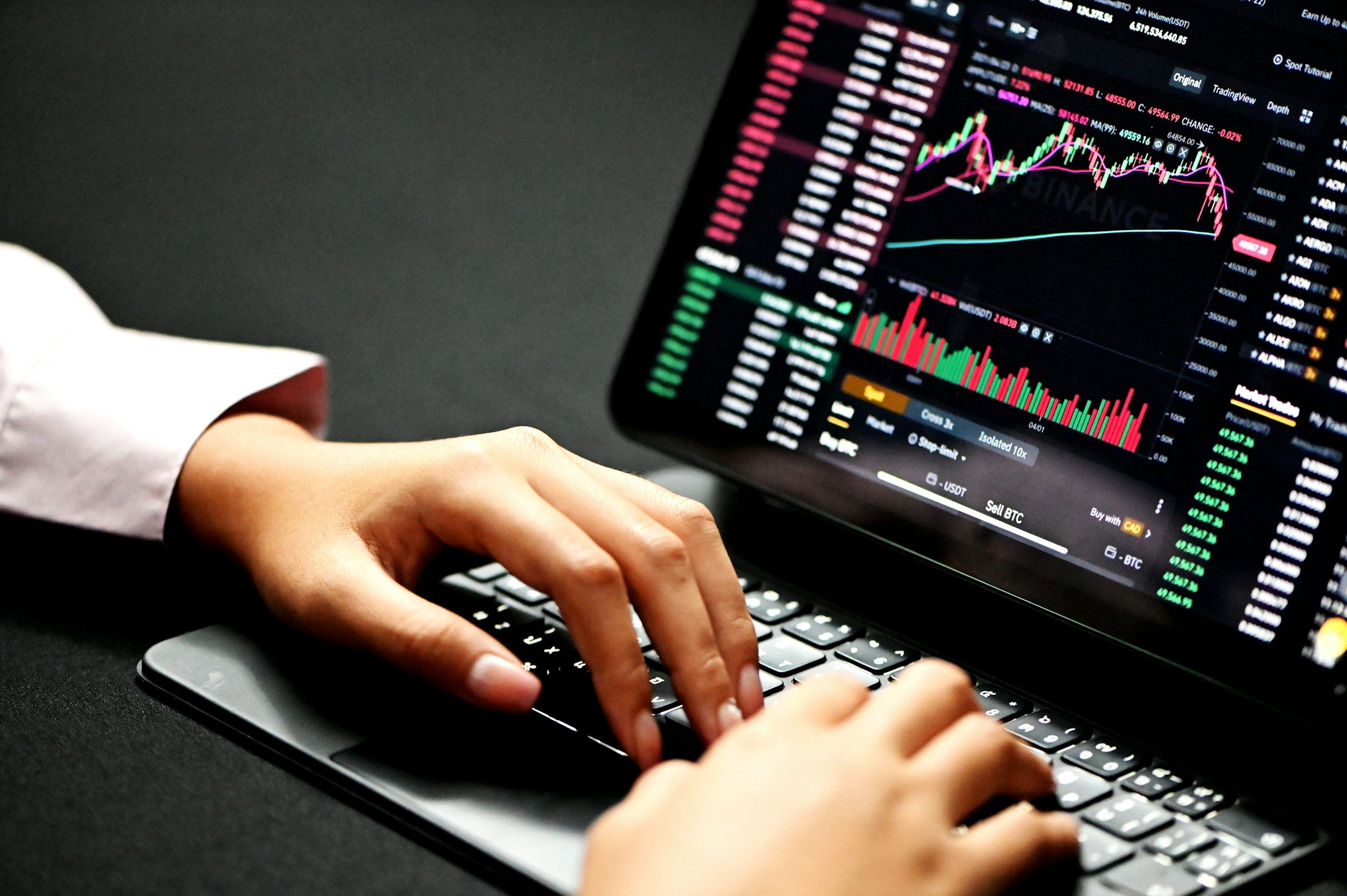
Large price swings attract attention, but movement without structure is just noise. The critical distinction is between exploitable volatility, which produces repeatable setups with definable risk, and chaotic volatility, which creates unpredictable spikes that are difficult to trade profitably.
Many losses occur not because the market failed to move, but because it moved in a way that could not be executed cleanly.
News-Driven Spikes Versus Tradable Trends
Sudden moves triggered by announcements, rumors, or social media can produce dramatic candles, yet they often reverse quickly once the initial reaction fades. These bursts of activity concentrate liquidity in a narrow time window, making entries late and exits crowded. You're chasing a move that's already exhausted by the time you notice it.
Trend Confirmation: Using Breadth and Divergence to Measure Conviction
Structured trends, by contrast, develop from sustained participation rather than one-off reactions. Price advances in steps, pulls back to test support, then continues. This rhythm creates multiple entry opportunities and allows you to define risk against clear levels.
When volatility clusters around news events without directional persistence, you're trading speculation about speculation, not participant conviction.
Liquidity Gaps and Stop Hunts
Thin order books can create gaps where price jumps between levels with little trading in between. This leads to slippage and unreliable stop execution. Highly leveraged markets amplify the effect. When liquidation thresholds are hit, forced orders cascade through the book, accelerating moves beyond what organic trading would produce.
Tracking Open Interest and Funding Rates
Derivatives analytics platforms frequently report billions of dollars in liquidations during major crypto moves, illustrating how forced positioning can drive price independent of fundamentals.
Such environments may look volatile, but are difficult to trade systematically because outcomes depend on hidden leverage rather than observable structure. Your technical analysis becomes irrelevant when a wave of liquidations pushes the price through every level you were watching.
Correlation With Bitcoin and Macro Factors
Most cryptocurrencies remain strongly correlated with Bitcoin, particularly during periods of stress or major macro developments. When BTC moves sharply, altcoins often follow regardless of their individual narratives. According to Equity Armor Investments, 60% of the S&P 500 is now composed of just seven mega-cap tech stocks, a concentration that mirrors Bitcoin's dominance in the crypto market.
This means apparent opportunities in smaller assets may simply reflect broader market shifts rather than independent trends. Ignoring this correlation can lead traders to misinterpret volatility as asset-specific opportunity when it is actually systemic movement. You think you're trading Solana's ecosystem developments, but you're actually trading Bitcoin's reaction to Federal Reserve commentary.
The Importance of Market Regime
Volatility behaves differently depending on whether the market is trending or ranging. In trends, pullbacks often provide structured entry points as the price continues in the dominant direction. In ranges, mean reversion strategies may work better. Chaotic regimes feature sharp moves in both directions with no persistence, making most strategies unreliable.
Research from Edelman Financial Engines notes that a 10% correction is a normal part of market cycles, yet many traders mistake these temporary pullbacks for trend reversals. High volatility without directional bias increases noise relative to signal, reducing the probability of consistent gains. You can't build a strategy around randomness.
Automating Strategy Transitions for Different Market Phases
Most traders handle this by constantly watching charts, trying to distinguish signal from noise in real time. The familiar approach is to set alerts and monitor positions manually, reacting to moves as they happen. As market conditions shift among trending, ranging, and chaotic regimes throughout the day, this reactive approach leads to mental fatigue and missed setups.
Platforms like AI crypto trading bot let you define regime-specific rules in plain English and execute different strategies automatically based on whether the market is trending, consolidating, or breaking structure, without requiring you to monitor conditions around the clock.
Structure Beats Raw Movement
The most tradable markets combine volatility with liquidity, participation, and identifiable patterns. These conditions allow traders to define entry criteria, stop placement, and profit targets in advance. Raw movement without structure offers excitement but not necessarily edge.
In practical terms, a coin moving 3% smoothly within a liquid trend can be far more profitable than one swinging 15% erratically with wide spreads and unpredictable reversals. Successful day trading depends less on how much the price moves and more on how orderly that movement is.
Volatility creates opportunity only when it occurs inside a framework that traders can anticipate and execute against. Without that framework, movement becomes noise rather than a signal.
How Professional Day Traders Find Opportunities Daily

Professional traders don't discover opportunities by reacting to whatever is trending. They follow structured routines designed to surface high-probability setups before the market opens, then execute according to predefined rules.
The edge lies not only in what they trade, but in how systematically they identify and manage opportunities.
Pre-Market Scanning for Volume and Catalysts
The day typically begins with a scan for unusual activity. Traders look for assets showing elevated volume, large overnight moves, or fresh news that could drive continued interest.
In crypto, this might include:
- Exchange listings
- Protocol upgrades
- Regulatory developments
- Sudden changes in derivatives funding rates
Volume-Price Validation: Detecting Professional Money vs. Retail Fakes
High volume signals participation. Without it, even a large percentage move may lack follow-through. By focusing on markets where capital is already flowing, professionals increase the likelihood that price movement will persist long enough to trade.
A 10% spike in $100,000 in volume rarely continues. The same move on $50 million in volume suggests genuine interest that can be exploited across multiple timeframes.
Identifying Support, Resistance, and Liquidity Zones
Once candidates are selected, traders map key price levels where buying or selling pressure was previously concentrated.
These include:
- Prior highs and lows
- Consolidation areas
- Zones with large historical trading activity
Liquidity matters because markets often revisit these areas. Large participants place orders around them, creating reactions that can be anticipated. Instead of guessing direction, traders wait for the price to interact with these zones and respond according to a plan. The pattern becomes: if the price reaches this level and shows these characteristics, then execute. If not, wait.
Using Backtested Rules Instead of Intuition
Professional traders rely on strategies validated by historical data rather than gut feeling. Rules might specify exact conditions for entry, exit, stop placement, and position sizing. Backtesting helps determine whether a method has produced positive expectancy across many trades.
This approach reduces emotional decision-making. Instead of asking, “Do I feel confident about this trade?” the question becomes, “Does this setup meet my criteria?” Over time, rule-based execution tends to outperform ad-hoc judgment. According to multiple academic studies, 95% of day traders lose money, often because they lack systematic approaches that can withstand emotional pressure during drawdowns.
Managing Risk Per Trade
Risk control is central to survival in volatile markets. Professionals typically limit potential loss on any single trade to a small fraction of capital, often between 0.5% and 2%. This prevents a few unfavorable outcomes from wiping out gains.
Position sizing, stop-loss placement, and predefined exit plans ensure that losses are contained while winners can compound. The focus shifts from predicting every move correctly to maintaining favorable risk-reward dynamics across many trades. A strategy with 40% win rate can still be profitable if winners average three times the size of losers.
Adapting to Changing Volatility Conditions
Markets are not static. Periods of high activity alternate with quiet phases, and strategies that work in one environment may fail in another. Skilled traders adjust position size, timeframes, or tactics as conditions evolve.
For example, during strong trends, they may favor momentum trades, while in sideways markets, they may switch to range-based strategies or reduce activity altogether. Recognizing when not to trade is as important as finding opportunities. The best setups emerge when market structure aligns with strategy design, not when you force trades because you feel obligated to participate.
How AI Enforces Discipline During Regime Shifts
Most traders handle this by constantly watching charts, trying to distinguish signal from noise in real time. The familiar approach is to set alerts and monitor positions manually, reacting to moves as they happen. As market conditions shift among trending, ranging, and chaotic regimes throughout the day, this reactive approach leads to mental fatigue and missed setups.
Platforms like AI crypto trading bot let you define regime-specific rules in plain English and execute different strategies automatically based on whether the market is trending, consolidating, or breaking structure, without requiring you to monitor conditions around the clock.
The Real Challenge: Discretionary Inconsistency
Even with a sound framework, manual trading introduces variability. Fatigue, emotion, distractions, and hesitation can cause missed entries, premature exits, or impulsive decisions. Two traders using the same method may achieve very different results simply because of differences in execution.
A University of California study found that only 1% of day traders can consistently and reliably earn positive abnormal returns net of fees. This highlights the deeper problem: discretionary trading is inherently inconsistent. The edge comes from process discipline, yet human factors often erode that discipline in real time.
Professionals mitigate this by following strict:
- Routines
- Journaling
- Automation
- Using systematic tools that enforce rules
Validating Your Workflow Through Backtesting
In essence, daily opportunities are not discovered by chance. They are produced by a repeatable workflow that filters the market, defines actionable levels, and executes in accordance with tested principles.
Without that structure, trading becomes reactive rather than strategic, making long-term consistency difficult.
How Coincidence AI Turns Trading Ideas Into Live Strategies

The platform converts plain-language descriptions into executable strategies without requiring code. A trader specifies conditions in everyday terms, such as entering when the price breaks above a moving average with volume confirmation, and the system translates that into logic that runs continuously across connected exchanges.
This removes the technical barrier that traditionally kept systematic trading out of reach for anyone without programming expertise.
Backtesting Before Risking Capital
Before deployment, strategies run against historical market data to reveal how they would have performed across past conditions. This step reveals whether a method actually yields a positive expectancy or merely feels intuitive.
You see win rates, maximum drawdowns, profit factors, and how the strategy behaves across different volatility regimes. A setup that sounds logical might fail consistently when tested against real price history, saving you from discovering that weakness with live capital.
Institutional-Grade APIs and Market Data Streams
According to Enverus EVOLVE 2025 Trading & Risk session, AI-driven tools have achieved a 50% reduction in time spent on data analysis, compressing what once took hours of manual calculation into minutes of automated validation.
The feedback loop tightens. You iterate faster, testing variations until the numbers confirm the edge rather than hope.
Execution Without Constant Monitoring
Once a strategy meets performance criteria, it connects directly to exchanges such as Bybit or KuCoin and executes automatically when conditions align. The system monitors markets around the clock, applying the same rules to every qualifying setup without fatigue or hesitation.
You don't need to watch charts at 3 a.m. or worry that you'll miss a breakout during dinner. The logic runs independently, capturing opportunities the moment they appear.
The Psychology of Automation: Overcoming Cognitive Bias in Trading
This consistency matters more than most traders realize. Emotional interference, second-guessing, and selective execution erode results even when the underlying method is sound. A rule-based system removes those variables.
It enters when it should, exits according to plan, and applies position sizing uniformly. The strategy either works or it doesn't, but the execution itself remains constant.
Accessibility for Non-Programmers
Traditional algorithmic trading demanded server management, API configuration, and code maintenance. That infrastructure kept systematic approaches confined to professionals with technical teams.
By accepting natural language input and handling the technical complexity internally, the barrier disappears. Someone who thinks in strategy rather than syntax can implement their ideas directly.
Cross-Asset Correlation: Using AI to Spot Divergent Opportunities
The Crypto.com Exchange CoincidenceAI Integration supports over 200 trading pairs, providing breadth across major assets and emerging opportunities without requiring separate configurations for each market. This scope lets traders apply the same logic across multiple instruments, testing whether a method works universally or only in specific conditions.
Discipline Through Automation
Manual trading introduces variability even when you know what to do. You hesitate to enter because the last trade lost. You exit early because a position moved against you briefly. You skip a setup because you're tired. These small deviations compound across dozens of trades per week, turning a profitable method into an inconsistent one.
Automation enforces the plan. The system doesn't care about the previous trade's outcome or how the current position feels. It applies the same criteria every time, which means your results reflect the strategy's true expectancy rather than your mood. Over time, this consistency separates traders who execute their edge from those who merely identify it.
Most traders know what they should do, but struggle to do it repeatedly under pressure.
Related Reading
- Best Crypto Prop Trading Firms
- Best Crypto Leverage Trading Platform USA
- Best Crypto Options Trading Platform
- Best Crypto Paper Trading
- Best Crypto Trading Simulator
- Coinrule Alternative
- Cryptohopper vs 3Commas
- HaasOnline vs 3Commas
Trade With Plain English With Our AI Crypto Trading Bot
If you know which coins you want to trade but struggle to execute consistently, Coincidence AI can turn your strategy into a live trading system in minutes.
Simply describe:
- Your entry rules
- Risk management
- Targets in plain English
- Backtest instantly on real data
- Deploy to supported exchanges
Start with:
- One high-liquidity coin from this list
- Validate your idea historically
- Run it live without writing a single line of code